7 Consistency Tips for Repotting a Dragon Tree
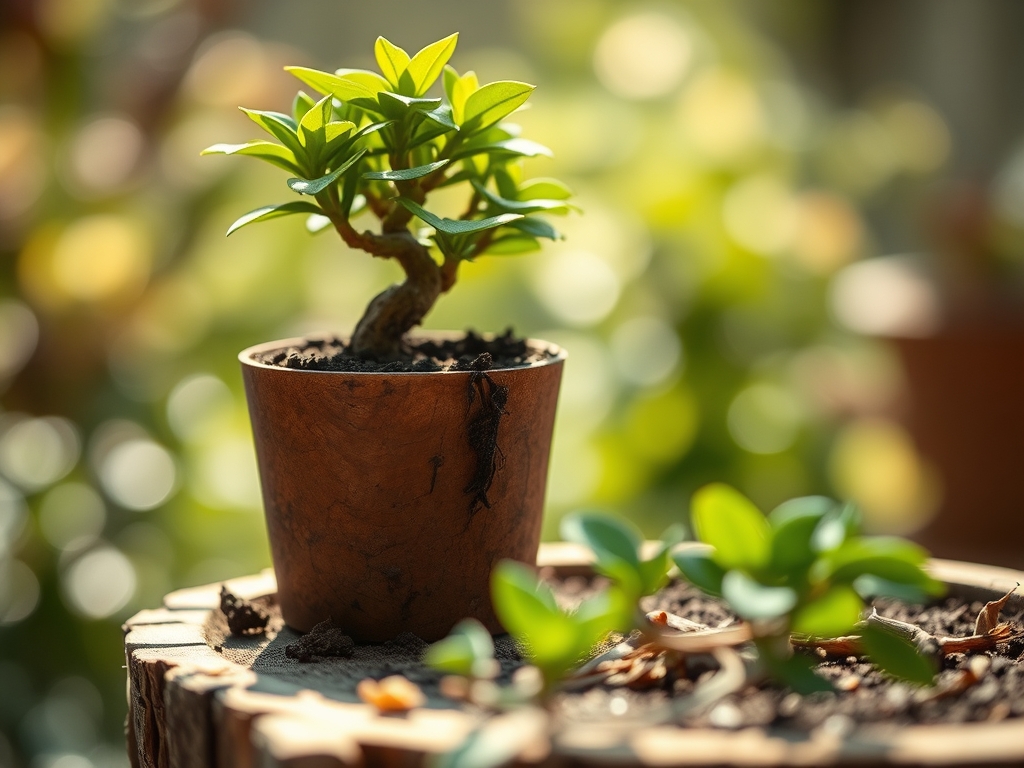
The smell of damp peat moss mixed with the sharp, metallic scent of a sterile blade defines the workspace of a successful transplant. When you grasp the stem of a Dracaena marginata, the turgor pressure should feel firm and resilient against your palm. Understanding the professional steps for repotting a dragon tree ensures the specimen maintains its structural integrity. Failure to execute these transitions with precision leads to vascular collapse or root necrosis. This process is not merely a change of scenery for the plant; it is a critical intervention in the rhizosphere that dictates the next three years of vegetative growth. Proper execution requires a deep understanding of soil physics and the physiological needs of the Dracaena genus. You must monitor the plant for signs of pot-binding, such as roots circling the interior perimeter or water shedding immediately through the drainage holes. A successful repotting event resets the clock on nutrient availability and provides the necessary gaseous exchange for cellular respiration within the root system.
Materials:

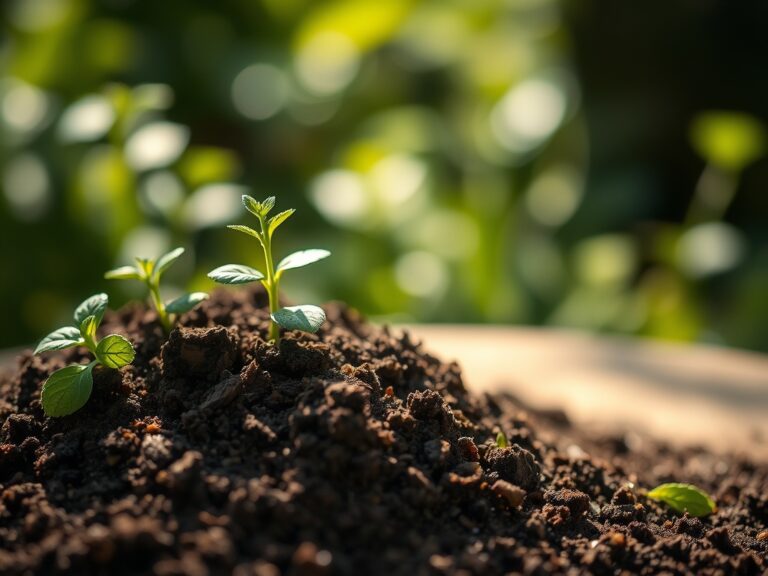
The substrate is the most critical component of this operation. Dragon trees require a pH level between 6.0 and 6.5 to ensure optimal nutrient uptake. Use a friable loam that consists of two parts peat moss or coconut coir, one part perlite, and one part coarse builder's sand. This mixture prevents compaction and maintains a high Cation Exchange Capacity (CEC), allowing the soil to hold onto essential minerals.
For the initial potting mix, integrate a slow-release fertilizer with an NPK ratio of 3-1-2. This specific ratio supports the high nitrogen demand of the foliage while providing sufficient potassium for cellular wall strength. Avoid mixes with high fluoride content, such as those containing heavy amounts of perlite from specific volcanic sources, as Dracaena is highly sensitive to fluoride toxicity. The new container must be no more than 2 inches wider in diameter than the current pot to prevent the soil from remaining saturated for too long, which leads to anaerobic conditions.
Timing:
Dragon trees are typically kept as indoor specimens in Hardiness Zones 2 through 9, but they can survive outdoors in Zones 10 and 11. The biological clock of the Dracaena is governed by the photoperiod. You must initiate the steps for repotting a dragon tree during the onset of the active growing season, typically between late March and early May. This timing aligns with the plant's transition from a semi-dormant winter state to a period of rapid vegetative expansion.
Repotting during this window allows the plant to utilize its peak metabolic rate to repair root hairs damaged during the move. If you repot during the winter senescence, the plant lacks the auxiliary energy to colonize the new substrate, increasing the risk of opportunistic fungal pathogens. Aim for a window where the ambient temperature consistently remains between 65 and 75 degrees Fahrenheit.
Phases:

Sowing and Preparation
Before the plant leaves its current vessel, hydrate it thoroughly 24 hours in advance. This ensures maximum turgor pressure within the cells, making the plant more resilient to the physical stress of the move. Sterilize all tools, including your hori-hori knife, with a 10 percent bleach solution or isopropyl alcohol to prevent the transfer of pathogens.
Pro-Tip: Maintaining high turgor pressure prevents the stomata from closing prematurely during the transplant. This keeps the photosynthetic rate stable even as the roots are temporarily disturbed.
Transplanting
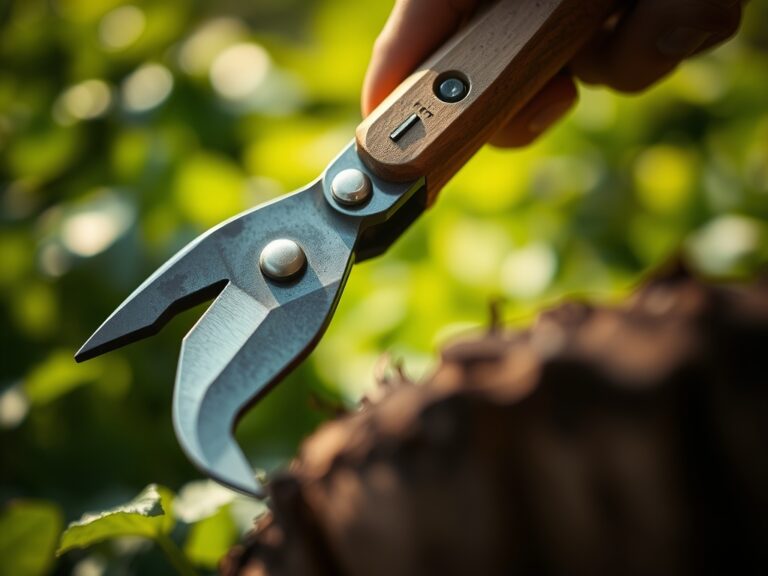
Gently invert the pot and support the main stem. If the plant is stuck, use a thin blade to circle the inner rim. Once removed, inspect the root ball. Use your fingers to tease out the outer 15 percent of the roots. If the roots are heavily matted, use bypass pruners to make three to four vertical scores in the root ball. Place the plant in the new container so the top of the root ball sits 1 inch below the rim.
Pro-Tip: Scoring the roots breaks apical dominance in the root tips. This triggers a hormonal response that stimulates the growth of lateral roots, increasing the surface area for water absorption.
Establishing
Fill the gaps with your prepared substrate, tamping down lightly to remove large air pockets without compressing the soil into a solid mass. Water the plant until the effluent runs clear from the drainage holes. Place the specimen in a location with bright, indirect light, avoiding direct solar radiation for at least 14 days.
Pro-Tip: Reduced light during the establishment phase lowers the transpiration rate. This allows the plant to focus its limited energy on mycorrhizal symbiosis and root elongation rather than replacing lost moisture through the leaves.
The Clinic:
Physiological disorders in Dracaena often manifest through leaf morphology. Monitor the following symptoms to diagnose issues post-repotting.
- Symptom: Tip Necrosis. The tips of the leaves turn brown and crispy.
Solution: This is often a sign of fluoride or chlorine toxicity. Flush the soil with distilled or rainwater and ensure the soil pH has not drifted above 7.0. - Symptom: Soft Stem Base. The base of the dragon tree feels mushy or loses its bark.
Solution: This indicates Pythium root rot caused by anaerobic soil. Immediately remove the plant, prune away decayed roots, and repot in a dry, high-perlite medium. - Symptom: Nitrogen Chlorosis. Older leaves turn a uniform pale yellow.
Solution: Apply a liquid fertilizer with a 10-5-5 NPK ratio at half strength to quickly restore nitrogen levels. - Symptom: Leaf Droop. Leaves lose their arch and hang vertically.
Solution: Check the soil with a soil moisture meter. If the reading is below 3, the plant is experiencing a loss of turgor; increase watering frequency to maintain a consistent moisture level.
Maintenance:
Precision in post-repotting care determines the longevity of the tree. Dragon trees require approximately 1.5 inches of water per week, delivered directly to the root zone. Use a soil moisture meter to ensure the top 2 inches of soil are dry before re-watering. Over-watering is the primary cause of Dracaena mortality.
Every six months, use a hori-hori knife to gently aerate the top layer of soil, preventing the formation of a hydrophobic crust. Prune any lower leaves that show signs of senescence using bypass pruners to redirect energy to the apical meristem. Keep the foliage free of dust by wiping leaves with a damp cloth; this ensures the stomata remain unobstructed for gas exchange.
The Yield:
While the dragon tree is primarily an ornamental foliage plant, its "yield" is measured in biomass and air filtration efficiency. To maximize the growth of new "heads" or branches, you can perform a heading cut on the main trunk. Use a sterile saw to remove the top portion during the peak of the growing season.
The removed section can be used for propagation. Treat the cut end with a rooting hormone containing Indole-3-butyric acid (IBA) and place it in a sterile medium. Within 30 to 45 days, the cutting will establish its own root system, while the parent plant will produce two to three new buds just below the cut site.
FAQ:
How often should I follow the steps for repotting a dragon tree?
Most dragon trees require repotting every 24 to 36 months. If you see roots emerging from drainage holes or the growth rate plateaus despite proper fertilization, it is time to upgrade the container size.
What is the best soil for a dragon tree?
A well-draining, peat-based mix with a pH of 6.0 to 6.5 is ideal. Incorporate 25 percent perlite or coarse sand to ensure oxygen reaches the rhizosphere and to prevent the soil from becoming waterlogged.
Can I use tap water after repotting?
Dracaena species are sensitive to fluoride and chlorine found in municipal water. Use filtered, distilled, or rainwater to prevent leaf tip burn and maintain the chemical balance of the new substrate.
Why are my dragon tree leaves falling off after repotting?
Minor leaf drop is a common symptom of transplant shock. Ensure the plant is not in a drafty location and maintain high humidity. The plant should stabilize once the root hairs begin colonizing the new soil.