7 Early Steps on How to Prepare Your Garden for Spring Vegetable Starts
The first thaw arrives, and soil thermometers climb past 40°F. This narrow window determines whether your spring brassicas and alliums establish deep roots or languish in waterlogged clay. Learning how to prepare a garden for early spring vegetable starts means intervening now, before the ground reaches 50°F and beneficial microbe populations activate. The difference between April harvests and June disappointments lies in soil structure, nutrient placement, and timing calibrated to your specific frost dates.
Materials
Assemble these components six weeks before your last expected frost:
Amendments (by NPK ratio):
- Composted manure (0.5-0.5-0.5): 2 cubic yards per 100 square feet
- Alfalfa meal (2.5-0.5-2.5): 5 pounds per 100 square feet for nitrogen-hungry brassicas
- Rock phosphate (0-3-0): 3 pounds per 100 square feet if soil tests show phosphorus below 25 ppm
- Greensand (0-0-3): 10 pounds per 100 square feet for potassium and trace minerals
- Agricultural lime (if pH is below 6.2): 5 pounds per 100 square feet, applied separately from other amendments
Tools:
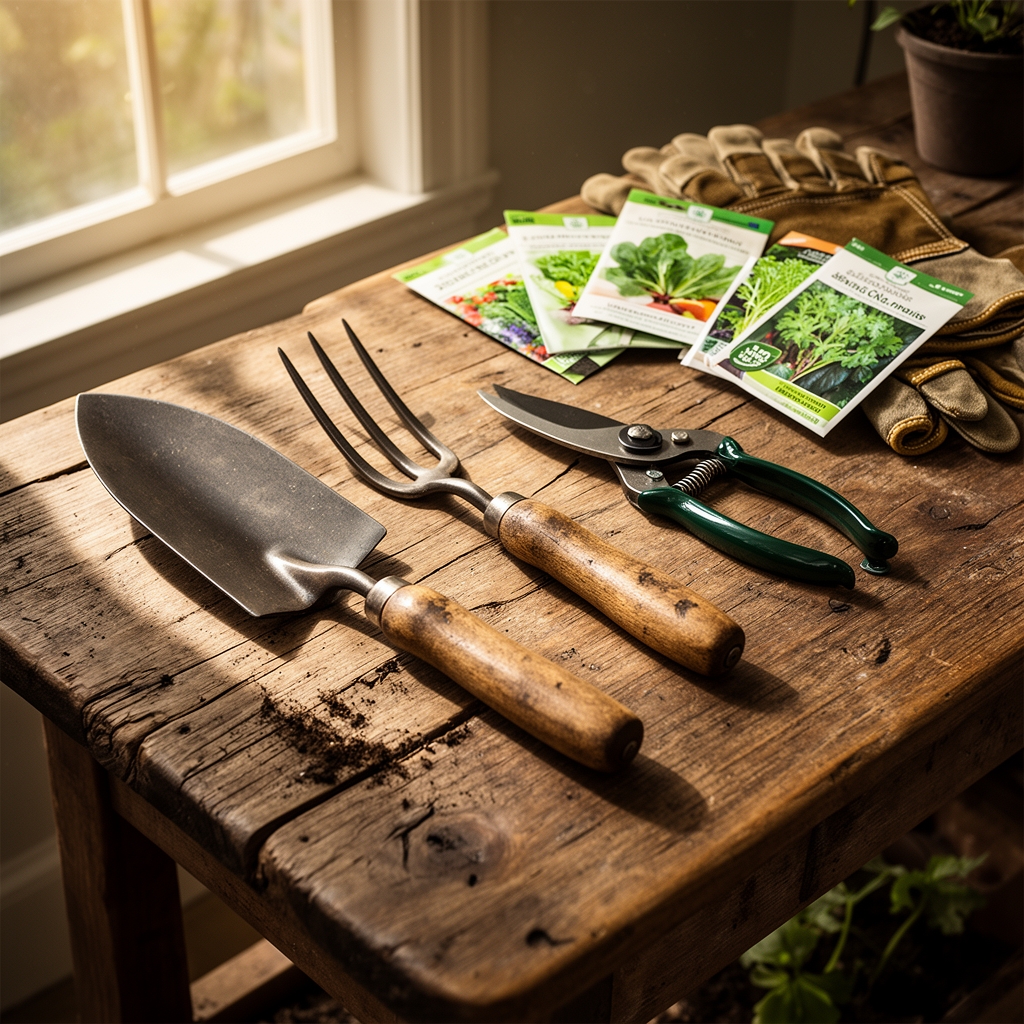
- Soil thermometer with 4-inch probe
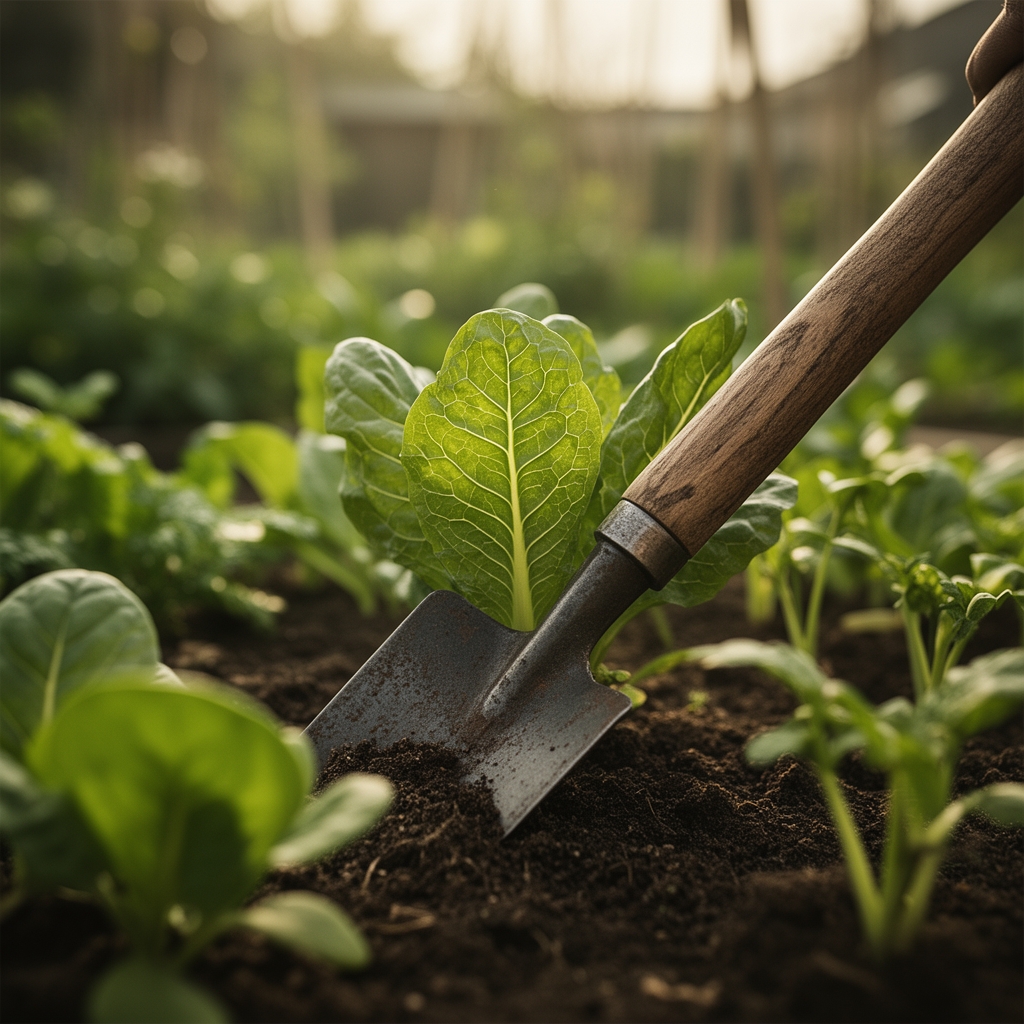
- Broadfork or spading fork
- Soil test kit measuring pH, N, P, K, and cation exchange capacity
- Row covers rated to 28°F
- Transplant flats with 2-inch cell depth minimum
Biological Inoculants:
- Mycorrhizal fungi concentrate (Glomus intraradices species)
- Bacillus subtilis for damping-off suppression
Target soil pH of 6.5 to 7.0 for most spring vegetables. Brassicas tolerate up to 7.5. Spinach and peas prefer 6.0 to 7.0. Test pH at three locations per bed and average the results.
Timing
Coordinate preparation with USDA Hardiness Zones:
Zone 5: Begin soil work March 15–30. Last frost typically May 15.
Zone 6: Start March 1–15. Last frost around April 30.
Zone 7: Initiate February 15–28. Last frost approximately April 15.
Zone 8: Commence February 1–15. Last frost near March 30.
Spring vegetable starts require soil temperatures of 40°F minimum for root development. Measure at 9 a.m. for three consecutive days. If average remains above 40°F, begin amendments. If snow cover persists, delay work until melt completes and standing water drains within 24 hours.
Cold-hardy varieties (spinach, kale, lettuce, peas) tolerate transplanting four weeks before last frost. Semi-hardy types (broccoli, cauliflower, cabbage) go in two weeks before. Monitor ten-day forecasts. If temperatures below 25°F appear likely, delay transplanting.
Phases
Sowing Indoor Starts
Begin six to eight weeks before transplant date. Use sterile seed-starting mix with perlite content above 30% for drainage. Maintain soil temperature at 65–70°F using heat mats. Provide 14 hours of light from T5 fluorescent or LED fixtures positioned 3 inches above seedlings.
Feed with half-strength liquid fertilizer (5-10-5 ratio) starting at true-leaf emergence. Apply every seven days. Monitor auxin distribution by ensuring stems remain stocky. If seedlings stretch beyond 3 inches before four true leaves appear, increase light intensity or reduce temperature to 60°F.
Pro-Tip: Inoculate root zones with Glomus intraradices at transplant time. Mix 1 teaspoon of spore concentrate per gallon of water and drench each cell 24 hours before moving outdoors.
Transplanting Sequence
Outdoor soil must reach 45°F for brassicas, 50°F for alliums. Harden off starts by reducing water for three days and exposing to outdoor conditions for two hours on day one, four hours on day two, progressing to full days by day five.
Dig holes 6 inches deep. Place 1 tablespoon of mycorrhizal inoculant in direct contact with root balls. Bury brassica stems up to first true leaves to encourage adventitious root formation. Space at 12 inches for heading varieties, 6 inches for leafy greens.
Water immediately with 1 cup per plant. Apply row covers if nighttime temperatures will drop below 32°F within 72 hours of transplant.
Pro-Tip: Transplant on overcast days or after 4 p.m. to reduce transplant shock from UV exposure.
Establishing Root Systems
First two weeks determine success. Soil moisture should remain at 60–70% field capacity. Insert finger 2 inches into soil. If no moisture adheres to skin, irrigate with 0.5 inches of water.
Monitor new leaf development. Healthy brassicas produce one new leaf every three days when temperatures average 55–65°F. Slower growth indicates nitrogen deficiency or root damage. Side-dress with blood meal (12-0-0) at 2 tablespoons per plant if leaves pale from deep green to yellow-green.
Pro-Tip: Remove lowest leaf set once plants establish four true leaves above transplant point. This improves air circulation and reduces fungal pressure.
Troubleshooting
Symptom: Purple leaf undersides on brassicas.
Solution: Phosphorus deficiency. Soil below 50°F inhibits uptake. Apply liquid fish fertilizer (5-1-1) as foliar spray at 2 tablespoons per gallon weekly until temperatures stabilize above 55°F.
Symptom: Damping-off at soil line, seedlings collapse.
Solution: Pythium or Rhizoctonia fungi. Reduce watering frequency by 30%. Apply Bacillus subtilis drench at manufacturer's recommended rate. Increase air circulation with fans.
Symptom: Flea beetle shot-hole damage on leaves.
Solution: Apply kaolin clay spray at 2 tablespoons per quart water. Reapply after rain. Introduce beneficial nematodes (Steinernema feltiae) to soil to target larval stage.
Symptom: Leggy stems, pale growth despite adequate light.
Solution: Excessive nitrogen from fresh manure. Leaches auxin balance. Withhold additional nitrogen. Apply foliar kelp spray (0-0-1) to restore hormone equilibrium.
Symptom: Stunted growth, leaves cupped upward.
Solution: Calcium deficiency in acidic soil. Broadcast 3 pounds gypsum per 100 square feet. Do not apply with phosphate amendments.
Maintenance
Water when top 2 inches of soil dry completely. Provide 1 inch per week through rainfall or irrigation. Use soaker hoses to maintain consistent moisture without wetting foliage.
Side-dress every three weeks with compost tea brewed for 24 hours. Avoid high-nitrogen inputs after head formation begins on broccoli and cauliflower.
Scout for aphids weekly. Examine leaf undersides and growing tips. Populations above 10 aphids per plant warrant insecticidal soap application at 5 tablespoons per gallon.
Remove row covers when daytime temperatures consistently exceed 60°F and plants outgrow coverage. Transition to insect netting if cabbage moths appear.
FAQ
When should I start preparing beds for spring vegetables?
Begin six weeks before your last expected frost date. Soil must be workable and drain within 24 hours of saturation.
What soil temperature is safe for transplanting cold-hardy starts?
40°F minimum for spinach and peas, 45°F for brassicas, 50°F for onions. Measure at 4-inch depth at 9 a.m.
How deep should I bury brassica transplants?
Bury stems up to the first set of true leaves. This encourages additional root formation from buried stem tissue.
What NPK ratio works best for early spring vegetables?
Use balanced 4-4-4 organic blend at soil preparation, then 5-10-5 liquid fertilizer for transplants. Switch to lower nitrogen (3-4-6) once heading begins.
How do I prevent damping-off in spring starts?
Sterilize all containers, use well-draining mix with perlite above 30%, water only when top inch dries, and apply Bacillus subtilis inoculant at sowing.