7 Frond Steps to Prepare a Large Indoor Palm Shelf
The scent of damp, mineralized earth and the tactile resistance of high turgor pressure in a leaf signify a palm in its prime. Achieving this state indoors requires more than aesthetic placement; it demands a rigorous structural and biological framework. Mastering how to prepare a plant shelf for palms involves balancing vertical clearance for frond expansion with the specific weight requirements of high-CEC substrates. A mature indoor palm can exert significant downward force when saturated. Failure to calculate the load-bearing capacity of your shelving or the light penetration at the lower canopy levels will lead to rapid senescence. You must engineer an environment that mimics the understory of a tropical forest, focusing on humidity retention and consistent soil oxygenation. This guide provides the technical protocols to transform a standard shelf into a functioning ecosystem capable of supporting long-term growth.
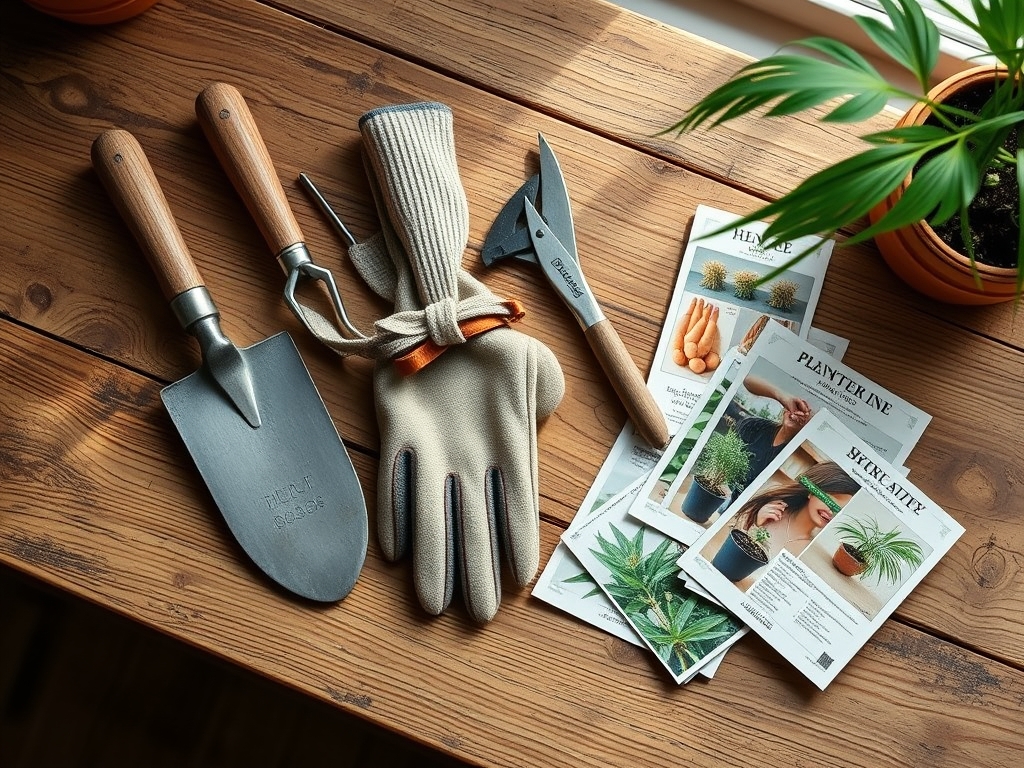
Materials:
The substrate is the foundation of the rhizosphere. Palms require a friable loam that maintains structural integrity under frequent irrigation. The target **soil pH must fall between 6.0 and 6.5** to ensure nutrient bioavailability. Use a mix consisting of two parts peat or coco coir, one part coarse perlite, and one part pine bark fines.
Nutrient requirements are specific. You must use a slow-release fertilizer with an NPK ratio of 12-4-12 or 8-2-12. Palms are highly sensitive to potassium and magnesium deficiencies. Ensure the mix includes micronutrients such as manganese and iron, as these are often locked out if the pH drifts above 7.0. The physical texture should be gritty enough to allow water to pass through the pot in under sixty seconds while retaining enough moisture to keep the root ball from desiccating.
Timing:
While indoor environments are climate-controlled, palms still respond to the biological clock dictated by external photoperiods. In Hardiness Zones 8 through 11, where ambient light is stronger, palms enter a vigorous vegetative stage from late March through September. You should initiate your shelf preparation during the late winter dormant period, approximately four to six weeks before the last frost date.
The transition from vegetative growth to the slower metabolic rates of winter is critical. During this time, the plant reduces its uptake of nitrogen. If you repot or fertilize during the low-light months of November through January, you risk salt accumulation in the soil. This can lead to osmotic stress, where the high salt concentration in the substrate actually pulls water out of the roots, causing tip burn and cell collapse.
Phases:
Sowing and Selection
Most indoor palms are purchased as established juveniles, but if starting from seed, maintain a consistent soil temperature of 80 to 85 degrees Fahrenheit. Place the shelf in a location that receives at least 200 to 400 foot-candles of light. Use a light meter to verify these levels; human eyes are poor judges of light intensity.
Pro-Tip: Monitor the phototropism of your palms. This is the biological tendency of the plant to grow toward its light source. To prevent a lean that compromises the physical stability of the shelf, rotate the pots 90 degrees every week. This ensures even distribution of auxins, the hormones responsible for cell elongation on the shaded side of the stem.
Transplanting
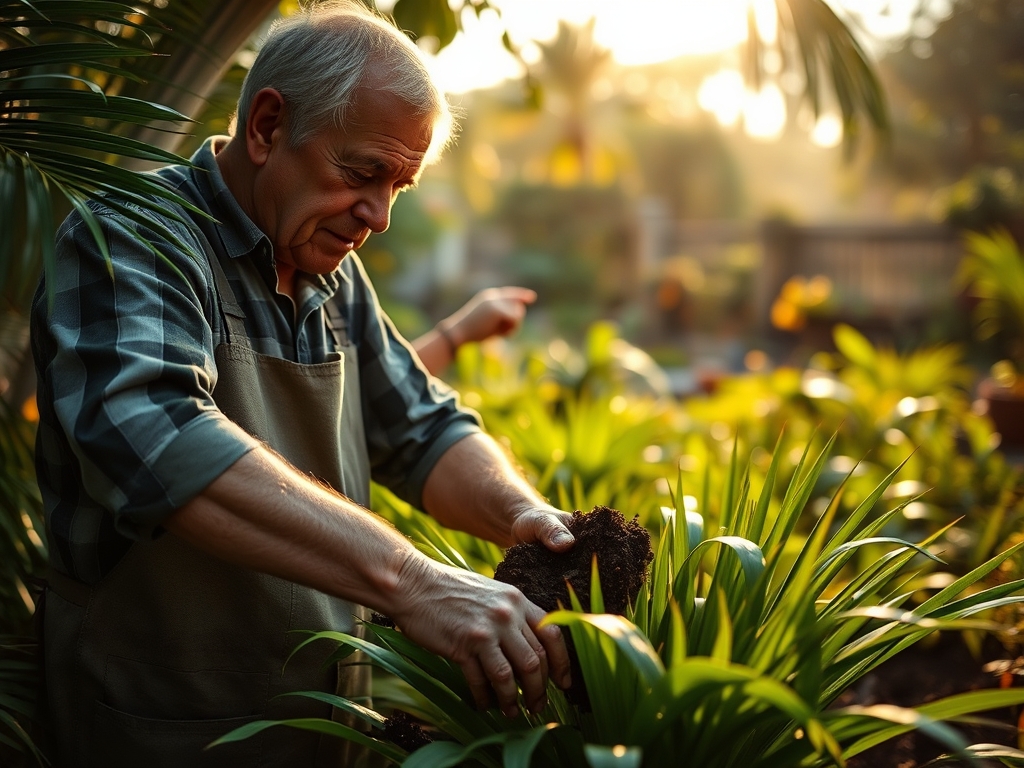
When moving a palm to the shelf, select a heavy ceramic or stone pot to lower the center of gravity. Ensure the root flare is exactly at the soil line. Burying the trunk too deep leads to adventitious root rot, while exposing too much of the root ball causes rapid desiccation of the upper rhizosphere.
Pro-Tip: Avoid disturbing the primary taproot or thick structural roots. Palms rely on mycorrhizal symbiosis, where beneficial fungi extend the reach of the root system to absorb phosphorus. Use a root stimulant containing Glomus intraradices during transplanting to accelerate establishment and improve water uptake efficiency.
Establishing
Once placed, the palm requires a stabilization period of 21 to 30 days. During this window, do not apply high-nitrogen fertilizers. Focus on maintaining a relative humidity of 50 percent or higher. If the air is too dry, the stomata will close to prevent water loss, effectively halting photosynthesis and causing the plant to stall.
Pro-Tip: Strategic pruning of the lowest, oldest fronds can trigger auxin suppression in the lower nodes, redirecting energy to the apical meristem. This encourages the palm to grow taller and more robustly, utilizing the vertical space of the shelf more efficiently.
The Clinic:
Monitoring physiological disorders is essential for maintaining a high-performance plant shelf.
-
Symptom: Yellowing of older fronds while new growth remains green.
-
Solution: This indicates Nitrogen chlorosis. Nitrogen is a mobile nutrient; the plant steals it from old leaves to feed new ones.
-
Fix-It: Apply a water-soluble fertilizer with a 3-1-2 ratio at half strength to restore levels without shocking the system.
-
Symptom: Small, necrotic spots or "frizzle top" on new emerging leaves.
-
Solution: Manganese deficiency, often caused by high soil pH.
-
Fix-It: Lower the pH using a sulfur-based acidifier and apply a chelated manganese spray directly to the foliage for rapid absorption.
-
Symptom: Brown, crispy leaf tips across the entire plant.
-
Solution: Low humidity or fluoride toxicity from tap water.
-
Fix-It: Switch to distilled water or rainwater and increase the local humidity using a dedicated ultrasonic humidifier near the shelf.
Maintenance:
Precision is the hallmark of a professional horticulturist. Use a soil moisture meter daily to check the substrate. Most palms require the top 1 to 2 inches of soil to dry out before re-watering. When you do water, apply enough so that 10 percent of the volume exits through the drainage holes; this flushes out accumulated mineral salts.
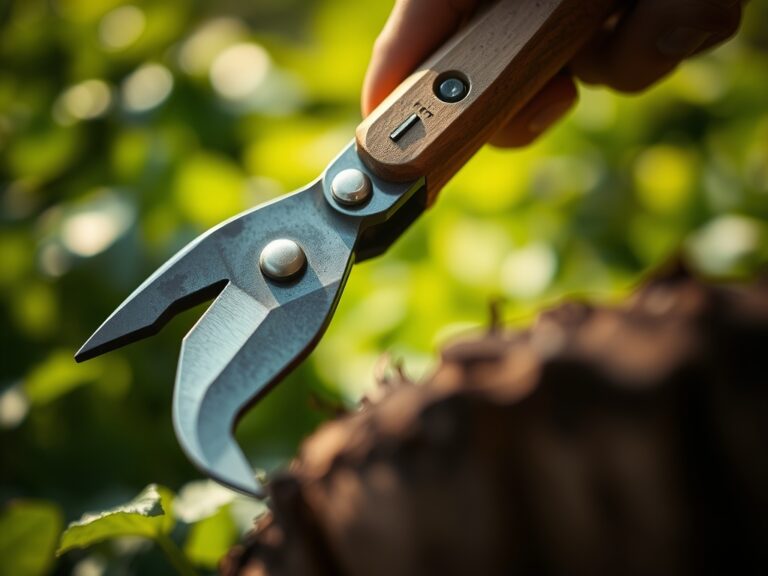
Keep a hori-hori knife and bypass pruners sterilized with 70 percent isopropyl alcohol. Use the pruners only on fronds that are more than 50 percent brown. Removing a leaf that is still partially green deprives the plant of stored carbohydrates. Periodically use the hori-hori knife to gently aerate the top inch of soil if it becomes compacted; this improves gas exchange in the rhizosphere.
The Yield:
While indoor palms are rarely grown for harvest, their "yield" is measured in biomass and air filtration efficiency. To maintain day-one freshness and peak photosynthetic capacity, wipe the fronds with a damp microfiber cloth every 14 days. Dust buildup acts as a physical barrier to light, reducing the foot-candles reaching the chloroplasts by up to 30 percent. If the palm outgrows the shelf, use a systematic pruning approach to remove only the most mature fronds at the base, maintaining the architectural integrity of the specimen.
FAQ:
How much weight can a standard plant shelf hold?
A standard wood or metal shelf supports 20 to 50 pounds per linear foot. Always calculate the weight of the pot, the palm, and the fully saturated soil. Saturated soil can weigh double its dry mass.
What is the best light for an indoor palm shelf?
Palms thrive in bright, indirect light. Aim for 2,000 to 3,000 lux. Use full-spectrum LED grow lights if natural light is insufficient. Ensure the lights are positioned 12 to 24 inches above the highest frond to avoid heat stress.
How often should I repot palms on a shelf?
Palms have sensitive root systems and should only be repotted every 2 to 3 years. Check for roots circling the bottom of the pot. If the growth rate slows significantly despite proper feeding, it is time to upsize the container.
Can I use tap water for my indoor palms?
Tap water often contains chlorine and fluoride, which cause tip necrosis in palms. Use filtered, distilled, or rainwater. If you must use tap water, let it sit uncovered for 24 hours to allow the chlorine to dissipate before application.