7 Proactive Ways to Use a Sticky Trap for Pest Monitoring
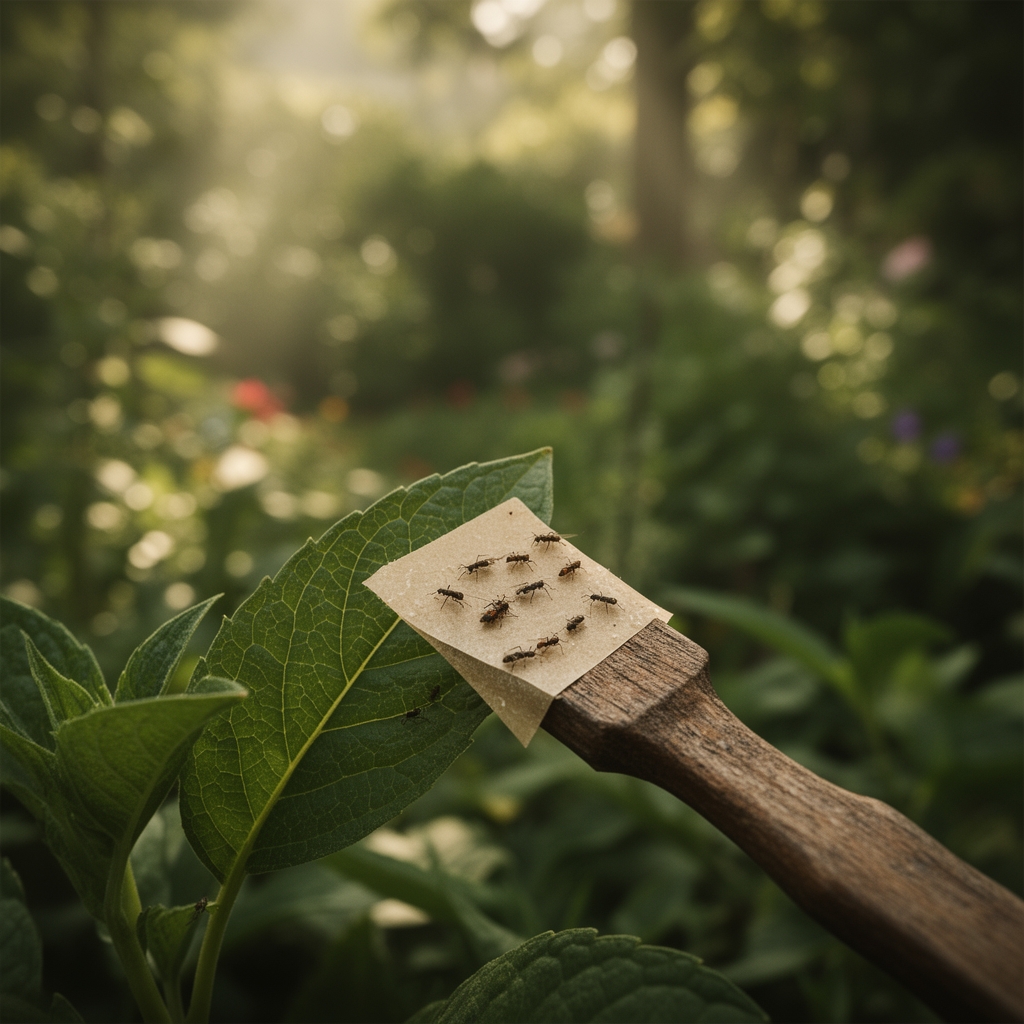
Using a sticky trap for indoor pest monitoring transforms guesswork into precision. The trap's adhesive surface captures flying insects before populations explode, providing real-time data on species composition, emergence timing, and infestation severity. Yellow sticky traps exploit phototaxis in whiteflies, fungus gnats, and aphids, while blue traps target thrips. Strategic placement near ventilation zones, canopy edges, and soil lines creates an early-warning grid that protects crops without chemical intervention. Using a sticky trap for indoor pest monitoring delivers quantifiable evidence that separates minor incursions from actionable threats.
Materials
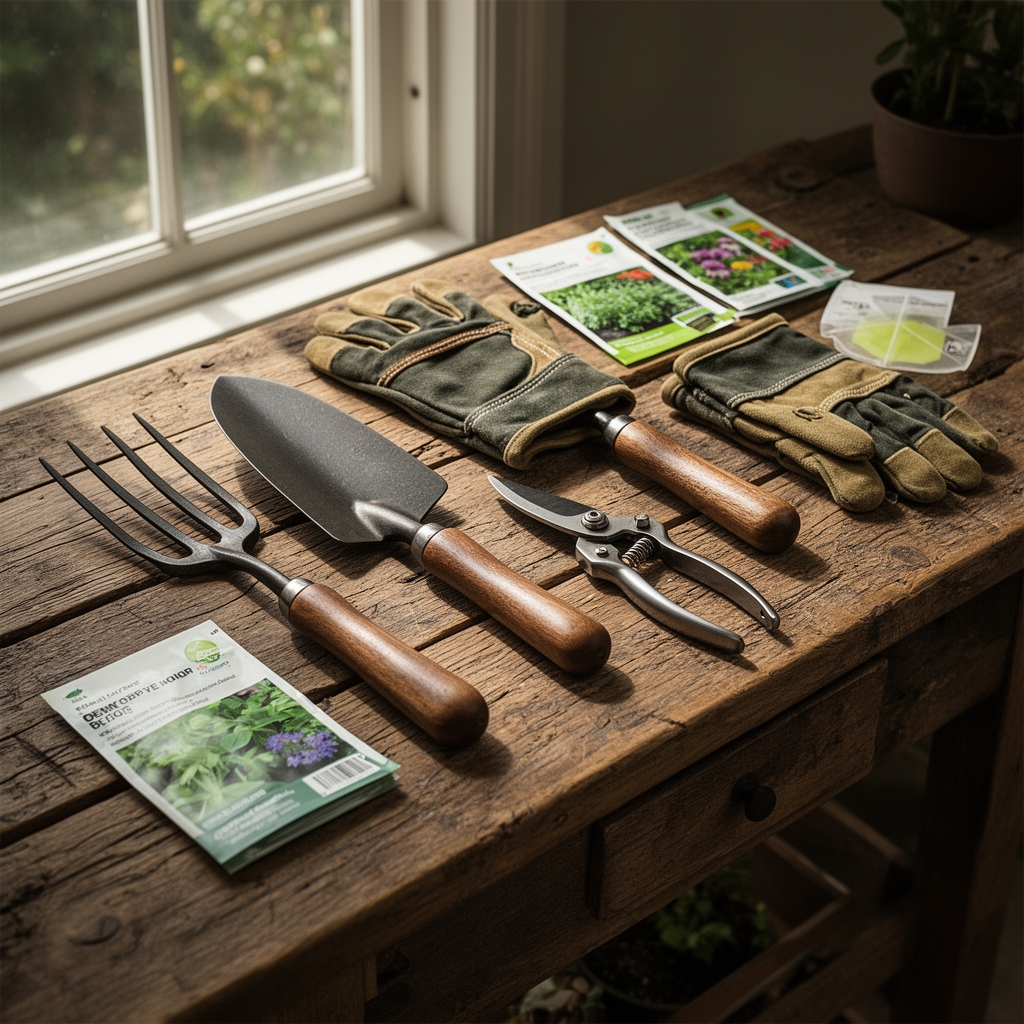
Select traps rated for continuous use under grow lights. Commercial yellow sticky traps (5 x 7 inches) use pressure-sensitive acrylic adhesives stable from 50°F to 90°F. Blue traps (same dimensions) employ slightly tacky formulations that release trapped specimens with isopropyl alcohol for laboratory identification.
Stakes or hangers made from 14-gauge galvanized wire resist corrosion in high-humidity environments. Choose powder-coated models if relative humidity exceeds 70 percent for extended periods.
Hand lens or jeweler's loupe (10x magnification minimum) resolves morphological features. Thrips measure 1 to 2 millimeters; accurate genus identification requires magnification to distinguish Frankliniella from Thrips tabaci.
Data logger or spreadsheet template records trap location, installation date, and weekly counts. Cumulative degree-day tracking correlates pest emergence with thermal sums, improving prediction windows for subsequent seasons.
Optional: Pheromone lures (species-specific) increase capture efficiency for moth pests by 300 to 500 percent. Combine with sticky cards in sealed grow tents to monitor Spodoptera or Trichoplusia populations.
Organic certification requires traps free from synthetic pyrethroids or neonicotinoid coatings. Verify compliance through manufacturer MSDS documentation.
Timing
Install traps 7 to 10 days before transplanting seedlings into the growing area. This baseline window captures any overwintering adults or pupae emerging from cracks in flooring, cation exchange sites in organic potting mixes, or hidden reservoirs in ventilation ducts.
In USDA Hardiness Zones 3 through 7, initiate monitoring in mid-March as soil temperatures approach 50°F. Fungus gnat larvae (Bradysia species) become active when root-zone temperatures exceed 55°F, triggering adult emergence within 14 days.
Zones 8 through 11 require year-round monitoring. Whitefly (Bemisia tabaci) populations do not enter true diapause and sustain low-level reproduction even when nighttime temperatures drop to 45°F.
Replace traps every 14 to 21 days during active growing seasons. Dust accumulation and trapped insect bodies reduce adhesive efficacy by 40 percent after three weeks in high-traffic environments.
Coordinate trap installation with moon phases only if tracking nocturnal lepidopterans. Diurnal pests (aphids, whiteflies) show no circadian capture bias across lunar cycles.
Phases

Sowing Phase
Position traps 12 inches above seed trays. Adult fungus gnats deposit eggs in moist germination media; vertical traps intercept females before oviposition. Anchor stakes at 45-degree angles to maximize surface area visible from multiple approach vectors.
Pro-Tip: Apply Steinernema feltiae nematodes (5 million per gallon drench) to seedling flats concurrent with trap deployment. Nematodes parasitize fungus gnat larvae in the root zone while traps eliminate adults, compressing population cycles by 60 percent.
Transplanting Phase
Relocate traps to 6 inches above the canopy. Whitefly adults cluster on new growth where auxin distribution signals tender tissue. Space traps at 15-foot intervals in row crops or one per 50 square feet in container production.
Inspect undersides of lower leaves during trap rotation. Whitefly nymphs (scales) anchor to leaf undersides and evade sticky surfaces. Nymph presence indicates trap placement arrived post-colonization.
Pro-Tip: Introduce Encarsia formosa parasitoid wasps when trap counts exceed 5 whiteflies per card per week. Release 2 to 5 wasps per infested plant. Wasps parasitize nymphs while traps reduce breeding adults, achieving 85 percent control within 6 weeks.
Establishing Phase
Lower traps to mid-canopy height (18 to 24 inches) as plants mature. Thrips prefer sheltered zones within dense foliage. Blue traps positioned horizontally beneath leaves capture Frankliniella occidentalis females searching for oviposition sites in flower buds.
Mark each trap with a unique identifier. Mapping spatial distribution reveals hotspots near doors, exhaust fans, or potting benches where pest pressure originates.
Pro-Tip: Interplant basil (Ocimum basilicum) every 10 feet in production rows. Basil emits methyl cinnamate, confusing thrips host-location behavior. Combined with blue sticky traps, this push-pull strategy reduces thrips feeding damage by 50 percent without affecting mycorrhizal fungi colonization in the rhizosphere.
Troubleshooting
Symptom: Traps capture beneficial insects (lacewings, parasitoid wasps).
Solution: Switch to pheromone-baited traps specific to target pests. Remove or reposition traps during scheduled beneficial releases. Suspend monitoring for 48 hours post-release to allow establishment.
Symptom: No captures despite visible pest damage.
Solution: Verify trap color matches pest preferences. Aphids respond to yellow; thrips require blue. Increase trap density to 1 per 25 square feet. Inspect traps at dawn; some species exhibit crepuscular flight patterns invisible during midday checks.
Symptom: Trap adhesive dries out prematurely.
Solution: Reduce air velocity near traps. Fans exceeding 200 CFM desiccate adhesives within 7 days. Install windbreaks or relocate traps to low-flow zones. Store unused traps in sealed bags at 40°F to extend shelf life to 18 months.
Symptom: Counts spike suddenly then crash.
Solution: Document irrigation changes. Overwatering triggers mass fungus gnat emergence 10 to 14 days later. Reduce watering frequency to allow top 2 inches of substrate to dry. Apply Bacillus thuringiensis israelensis (Bti) drench at 1 tablespoon per gallon to disrupt larval populations.
Symptom: Traps collect only non-pest species (midges, flies).
Solution: Confirm pest identification through magnified inspection. Many beneficial and neutral species mimic pest morphology. Submit specimens to extension services for DNA barcoding if uncertainty persists.
Maintenance
Inspect traps every 3 to 4 days during vegetative growth. Record counts using standardized categories: 0 (none), 1-5 (low), 6-15 (moderate), 16+ (high).
Photograph each trap before removal. Time-stamped images create forensic records for compliance audits and insurance claims related to quarantine pests.
Clean hands with soap after handling traps. Adhesives transfer pathogens like Tomato spotted wilt virus between plants if contact occurs before sanitation.
Rotate trap brands quarterly. Adhesive formulations vary in VOC emissions. Some attract fungal spores or dust that obscure captures. Switching suppliers resets environmental variables.
Store used traps in sealable plastic bags for 30 days before disposal. Late-instar larvae may survive on trapped adults and emerge post-removal.
Maintain 1 trap per 100 square feet as baseline density. Double density when introducing new plant stock or after detecting 10+ individuals per trap per week.
FAQ
How quickly do sticky traps detect new infestations?
Adult captures appear 24 to 72 hours after pest introduction. Eggs hatch in 4 to 14 days depending on species and temperature. Traps provide 1- to 2-week advance notice before immature stages cause economic damage.
Can I reuse sticky traps?
No. Adhesive degradation and contamination compromise efficacy. Traps lose 30 percent capture capacity after first exposure. Replacement costs ($0.50 to $1.50 per trap) are lower than crop loss from missed detections.
Do sticky traps control pests or only monitor?
Monitoring is primary function. Traps capture 5 to 20 percent of local populations. Pair with biological controls (predatory mites, parasitoids) or horticultural oils for suppression. Traps guide intervention timing rather than replace it.
What trap height works best for aphids?
Position traps at new-growth level, typically 2 to 6 inches above the apical meristem. Aphid alates (winged morphs) target auxin-rich tissues. Adjust height weekly as plants elongate to maintain proximity to colonization sites.
Should I use traps outdoors?
Outdoor efficacy drops 70 percent due to wind, rain, and UV degradation. Reserve sticky traps for greenhouses, hoop houses, and indoor grow rooms where environmental control sustains adhesive performance and predictable pest behavior.