7 Steps to Prepare a Butterfly Habitat Garden
Learning how to prepare a garden for a butterfly habitat begins with understanding that Lepidoptera require two distinct plant types: nectar sources for adults and host plants for larvae. Monarch butterflies deposit eggs exclusively on Asclepias species. Swallowtails require Apiaceae or Rutaceae family members. Creating a habitat means engineering a layered ecosystem where soil biology, plant phenology, and microclimatic conditions align to support complete metamorphosis cycles from egg through all five instars to adult emergence.
The soil beneath a butterfly garden functions as an underground nursery. Many chrysalises overwinter in leaf litter or attach to plant stems just above the soil line. Soil structure must drain freely while maintaining mycorrhizal networks that strengthen host plant roots. A successful butterfly habitat replicates the edge-of-woodland conditions where most native Lepidoptera evolved.
Materials
Soil amendments form the foundation. Apply composted leaf mold at 2 cubic yards per 100 square feet to improve cation exchange capacity. Use a 4-4-4 organic fertilizer blend derived from alfalfa meal, bone meal, and kelp. Avoid synthetic nitrogen sources above 10-10-10 ratios; excessive vegetative growth dilutes the alkaloid content in host plants that caterpillars require for predator defense.
Target a soil pH between 6.0 and 7.0 for most native perennials. Eastern species like Joe-Pye weed (Eutrochium purpureum) tolerate 5.5 to 6.5. Western natives such as California buckwheat (Eriogonum fasciculatum) prefer 6.5 to 7.5. Test pH with a digital meter, not paper strips. Adjust acidic soils with dolomitic limestone at 5 pounds per 100 square feet to raise pH by 0.5 units. Lower alkaline soils with elemental sulfur at 1 pound per 100 square feet.
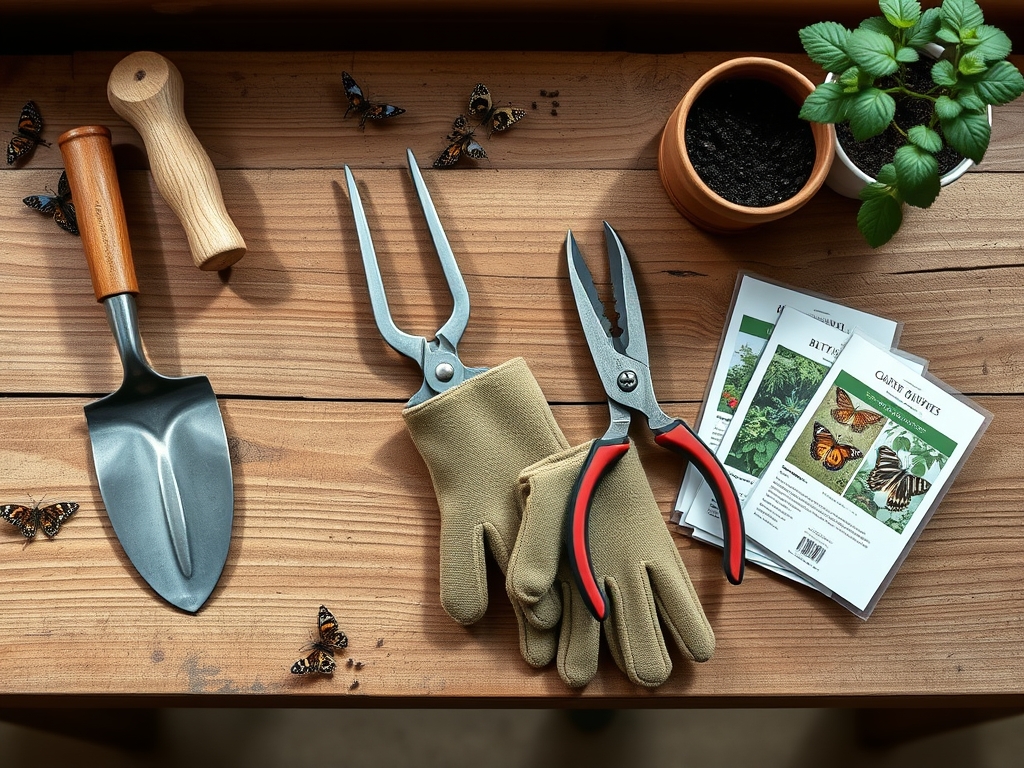
Acquire mycorrhizal inoculant containing Glomus intraradices. Apply 1 tablespoon directly into each planting hole. Select native host plants: milkweed for monarchs, dill and fennel for swallowtails, violets for fritillaries, lupines for blues. Nectar plants should bloom in overlapping sequences. Early-season options include Aquilegia canadensis. Mid-season choices are Monarda fistulosa and Echinacea purpurea. Late-season Solidago species provide fall fuel for migrating adults.
Timing
Zone 5 gardeners should prepare beds in late April after soil reaches 50°F at 4 inches deep. Zone 7 allows March 15 starts. Zone 9 permits year-round installation except during peak summer heat above 95°F. Direct-sow annual host plants like dill after the last frost date. Transplant perennial plugs two weeks before the average last frost; their root systems tolerate light freezes while establishing.
Fall preparation between September 15 and October 30 allows roots to colonize before winter dormancy. Mycorrhizal fungi establish best when soil temperatures range from 55°F to 65°F. Spring-planted gardens require eight weeks before larvae can safely feed on host plants. Auxin distribution patterns stabilize only after roots extend beyond the original root ball.
Phases
Site selection comes first. Choose locations receiving six hours of direct sun. Butterflies are ectothermic; they cannot fly when ambient temperatures drop below 55°F. South-facing slopes warm faster on cool mornings. Windbreaks from shrubs or fencing reduce energy expenditure during flight.

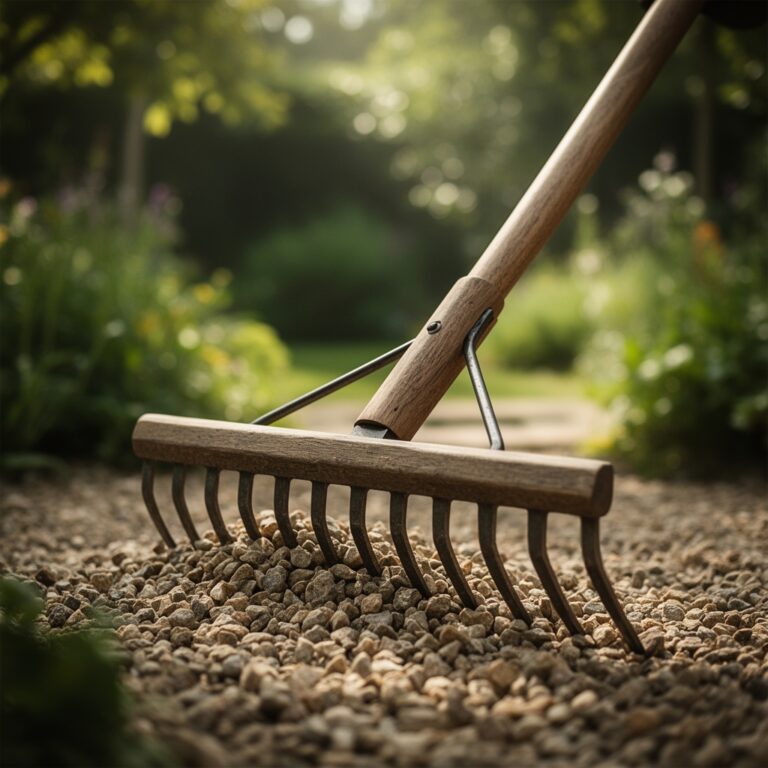
Remove existing turf to a depth of 3 inches. Broadcast compost and fertilizer. Till to 8 inches. Rake level and water to settle. Let the bed rest for one week. This allows weed seeds in the top inch to germinate. Hoe them off before planting.
Pro-Tip: Create shallow puddling depressions by excavating 2-inch-deep basins, 12 inches in diameter. Fill with sand mixed with 1 tablespoon of sea salt. Keep moist. Male butterflies extract sodium and amino acids essential for spermatophore production.
Space transplants according to mature spread. Asclepias tuberosa requires 18-inch centers. Echinacea purpurea needs 24 inches. Plant at the same depth they occupied in containers. Firm soil around roots to eliminate air pockets. Water with 1 gallon per plant. Apply 2 inches of shredded hardwood mulch, keeping it 3 inches away from stems to prevent crown rot.
Pro-Tip: Inoculate legume host plants (lupines, clovers) with Rhizobium bacteria. Mix 1 teaspoon of inoculant with 1 cup of water. Pour around the root zone. Nitrogen fixation begins within 10 days, providing bioavailable nitrogen at optimal levels.
Establishment requires consistent soil moisture. Water every three days for the first month, then weekly. Apply 1 inch per week measured with rain gauges. Morning irrigation allows foliage to dry before nightfall, reducing fungal spore germination. Deadhead spent blooms to redirect energy toward root development, not seed production, during year one.
Pro-Tip: Prune woody host plants like spicebush (Lindera benzoin) at 45-degree angles, 1/4 inch above outward-facing buds. This promotes lateral branching where females prefer to oviposit.
Troubleshooting
Symptom: Yellowing lower leaves with green veins. Solution: Iron chlorosis from alkaline pH. Apply chelated iron at 1 tablespoon per gallon as a soil drench.
Symptom: White powdery coating on Monarda leaves. Solution: Powdery mildew from poor air circulation. Space plants wider. Apply sulfur spray at 3 tablespoons per gallon weekly.
Symptom: Stunted growth with purple leaf undersides. Solution: Phosphorus deficiency. Side-dress with bone meal at 2 tablespoons per plant.
Symptom: Holes in leaves but no caterpillars visible. Solution: Nocturnal cutworms. Apply Bacillus thuringiensis var. kurstaki at labeled rates at dusk.
Symptom: Lack of egg deposition despite adult presence. Solution: Insufficient host plant maturity. Wait eight weeks post-transplant before expecting oviposition.
Maintenance
Fertilize established gardens once in early spring with 4-4-4 organic blend at 2 pounds per 100 square feet. Avoid feeding after July 1; late-season nitrogen produces tender growth vulnerable to frost damage. Leave flower stalks standing through winter. Hollow stems provide overwintering sites for beneficial insects. Cut back dead material in late March before new growth emerges.
Water established gardens during droughts when top 4 inches of soil feel dry. Apply 1 inch per week. Divide clumping perennials every four years in early spring. Refresh mulch annually to maintain 2-inch depth. Never use pesticides, including organic options, in butterfly gardens. Even Bacillus thuringiensis kills caterpillars.
FAQ
How long until butterflies colonize a new habitat? Scout activity appears within two weeks if host plants are present within a one-mile radius. Consistent populations establish after two full growing seasons.
Can I grow host plants in containers? Yes. Use 5-gallon pots minimum. Container-grown Asclepias supports one complete monarch generation per season.
What causes caterpillars to disappear suddenly? Tachinid fly parasitism or predation by paper wasps. Both are natural population controls. Expect 5% larval survival to adulthood.
Do I need a water source? Puddling stations provide essential minerals. Birdbaths offer drinking access but require daily cleaning to prevent mosquito breeding.
Which butterfly species appear first? Spring azure (Celastrina ladon) emerges in March in Zone 7. Mourning cloaks (Nymphalis antiopa) overwinter as adults and appear on warm February days.