6 Citrus Steps to Prepare an Indoor Citrus Tree Shelf
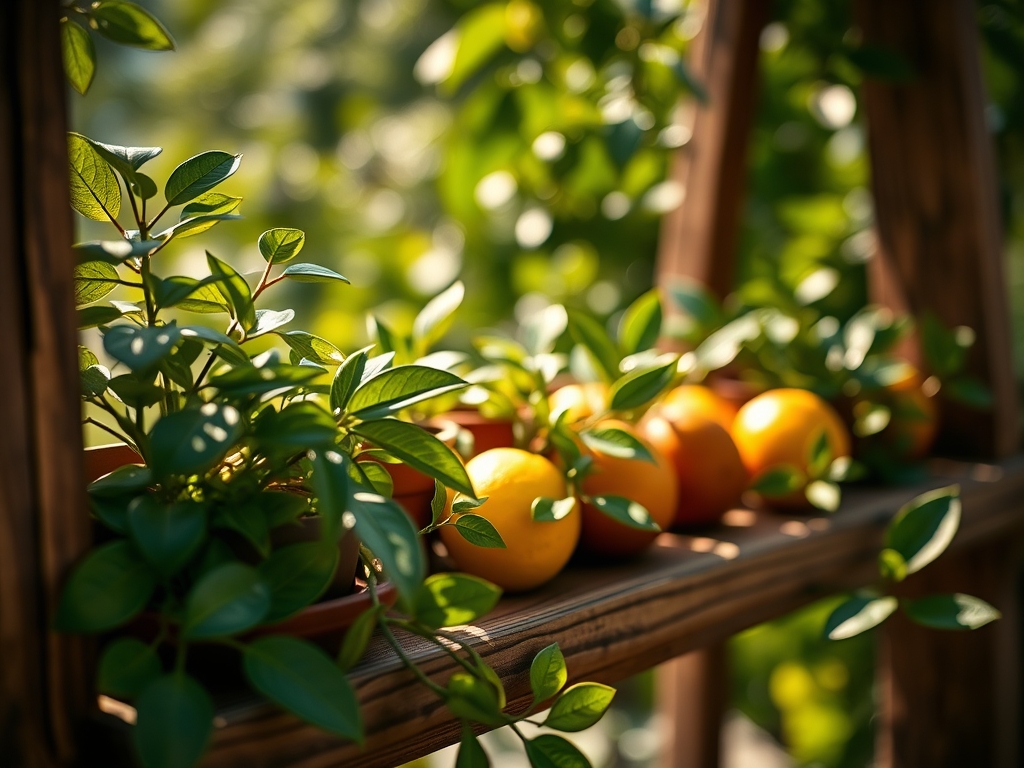
Crushing a citrus leaf between your fingers releases volatile oils that signal a healthy specimen; the sharp, acidic scent of limonene confirms the plant is actively synthesizing secondary metabolites. Maintaining high turgor pressure within the vacuoles ensures the foliage remains rigid and efficient for photosynthesis. Learning how to prepare a plant shelf for citrus requires more than aesthetics; it demands a controlled environment that mimics a Mediterranean or subtropical microclimate. You must account for light intensity, air circulation, and the thermal mass of the shelving unit itself. An indoor citrus tree is a high-performance biological machine that requires specific atmospheric inputs to prevent leaf drop and promote fruit set. By configuring a dedicated shelf system, you provide the structural support for heavy pots and the mounting points for supplemental lighting. This setup bridges the gap between the natural outdoor environment and the stagnant air of a residential room. Precision in these early stages prevents physiological stress during the shorter photoperiods of winter.
Materials:
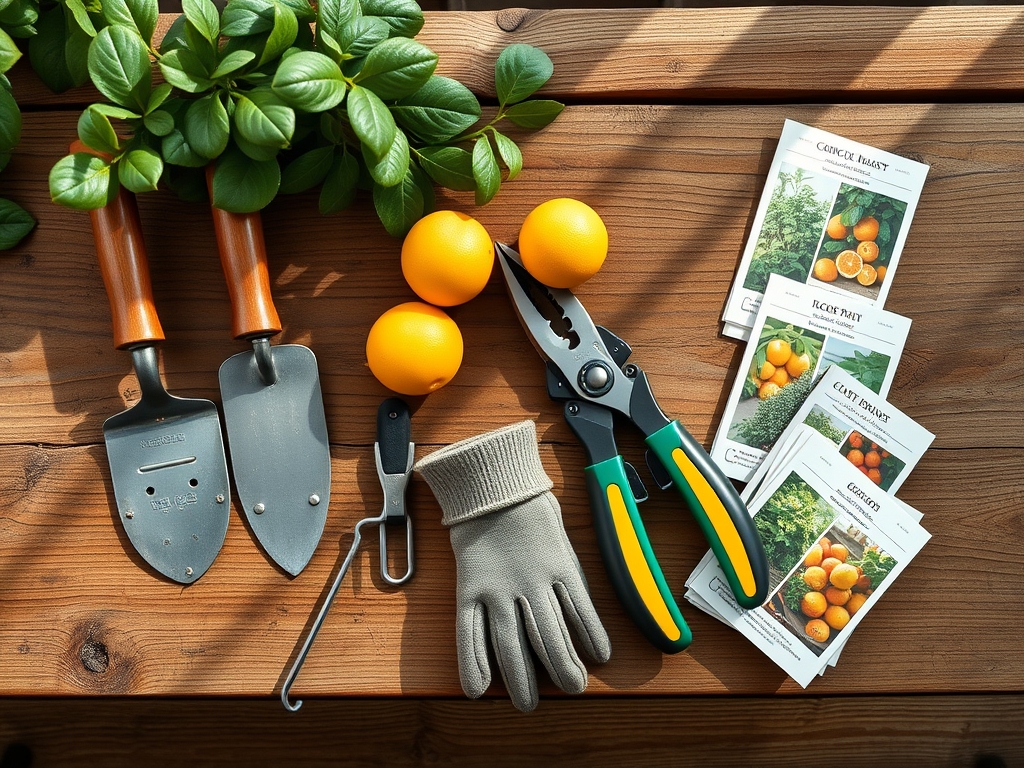
The foundation of a successful citrus shelf begins with the substrate and the container. Citrus trees require a **soil pH between 5.5 and 6.5** to ensure optimal nutrient availability. Use a friable loam that is high in organic matter but retains enough coarse material, such as perlite or pine bark, to facilitate rapid drainage. The **Cation Exchange Capacity (CEC)** of the soil should be high enough to retain essential minerals like calcium and magnesium without causing salt buildup.
For fertilization, utilize a specific NPK ratio of 3-1-2 or 5-1-3. Nitrogen is the primary driver of vegetative growth; phosphorus supports root development and flower initiation; potassium regulates the opening and closing of stomata. You will also need a high-intensity discharge (HID) or full-spectrum LED lighting system capable of delivering 1,000 to 1,500 foot-candles of light. Ensure the shelf is constructed from non-corrosive materials like powder-coated steel or sealed hardwood to withstand a relative humidity of 50 to 60 percent.
Timing:
Citrus trees are generally suited for Hardiness Zones 8 through 11, but when grown indoors, the "frost-date window" becomes a transition period for moving plants from the patio to the shelf. You must relocate the trees before the first frost, typically when night temperatures consistently drop below 50 degrees Fahrenheit (10 degrees Celsius).
The biological clock of a citrus tree is governed by temperature and light. To trigger the transition from the vegetative stage to the reproductive stage (flowering), the tree requires a period of "cool induction" where temperatures hover between 40 and 55 degrees Fahrenheit for several weeks. On your indoor shelf, you can simulate this by placing the unit near a cool window or adjusting your HVAC settings. Failure to provide this thermal cue may result in lush green foliage but zero fruit production.
Phases:
Sowing and Germination
While most indoor citrus are purchased as grafted saplings, growing from seed requires a constant soil temperature of 70 to 80 degrees Fahrenheit. Place seeds in a sterile seed-starting mix at a depth of 0.5 inches. Use a heat mat to maintain consistent thermal energy in the rhizosphere.
Pro-Tip: Maintaining high soil temperature accelerates metabolic enzymes. This ensures the embryo overcomes seed dormancy quickly, reducing the window for fungal pathogens to attack the seed coat.
Transplanting and Potting
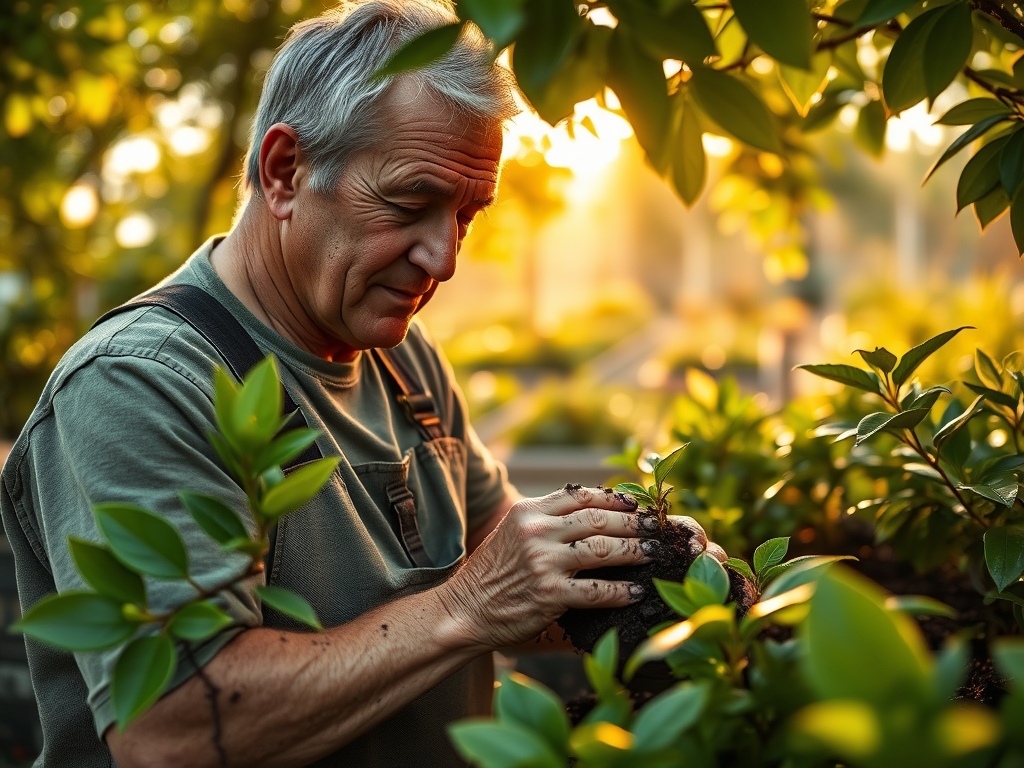
When moving a citrus tree to its permanent shelf home, select a pot that is 2 to 4 inches wider than the current root ball. Inspect the roots for any circling or girdling. Use a hori-hori knife to make vertical incisions in the root mass if it has become pot-bound. This stimulates the growth of new lateral roots.
Pro-Tip: Citrus trees exhibit a strong symbiotic relationship with arbuscular mycorrhizal fungi. Adding a microbial inoculant during transplanting improves phosphorus uptake and enhances the tree's resistance to water-induced stress.
Establishing the Microclimate
Position the shelf to maximize southern exposure. If natural light is insufficient, mount LED bars 12 to 18 inches above the canopy. Install a small oscillating fan to provide constant airflow. This prevents the boundary layer of air around the leaves from becoming too humid, which can invite fungal infections.
Pro-Tip: Constant airflow strengthens the trunk through a process called thigmomorphogenesis. The mechanical stress of moving air signals the plant to deposit more lignin, resulting in a sturdier, more resilient structure.
The Clinic:
Physiological disorders in indoor citrus often stem from imbalances in the shelf environment. Monitor your trees daily for the following symptoms:
- Symptom: Interveinal Chlorosis. The leaves turn yellow while the veins remain green.
Solution: This is typically an Iron (Fe) deficiency caused by a soil pH above 7.0. Lower the pH by adding elemental sulfur or using an acidifying fertilizer. - Symptom: Leaf Drop. Sudden loss of green leaves.
Solution: This is often "Winter Leaf Drop," caused by a mismatch between warm leaf temperatures and cold root temperatures. Ensure the shelf is not sitting on a cold floor; use a riser or a heat mat to keep the rhizosphere at 65 degrees Fahrenheit. - Symptom: Cupped or Distorted Leaves.
Solution: This indicates a Calcium (Ca) deficiency or a significant fluctuation in humidity. Ensure your fertilizer includes micronutrients and maintain a consistent watering schedule. - Fix-It: Nitrogen Deficiency. If the oldest leaves turn a uniform pale yellow, the plant is scavenging nitrogen for new growth. Apply a liquid fish emulsion or a high-nitrogen citrus spike to restore nitrogen levels in the soil solution.
Maintenance:
Precision watering is the most critical maintenance task. Use a soil moisture meter to check the top 3 inches of the substrate. Do not water until the meter reads "dry" at the 2-inch mark. On average, an indoor citrus tree requires approximately 1 to 1.5 inches of water per week, delivered directly to the root zone.
Pruning should be performed with sharp bypass pruners to ensure clean cuts that heal quickly. Remove any "water sprouts" (vigorous vertical shoots) that emerge from the trunk, as these sap energy from the fruiting branches. Thin out the interior of the canopy to allow light to reach the center of the tree. Every six months, flush the soil with distilled water to remove accumulated fertilizer salts, which can cause leaf tip burn.
The Yield:
Harvesting indoor citrus requires patience, as fruit can take 6 to 12 months to reach full maturity. Do not judge ripeness by color alone; many citrus varieties remain green even when ripe. Instead, check for a slight "give" when the fruit is squeezed and a heavy weight relative to its size.
Use a pair of snips to cut the fruit from the branch, leaving a small piece of the stem (the button) attached. This prevents the skin from tearing, which can lead to rapid decay. For "day-one" freshness, store the fruit at 45 to 50 degrees Fahrenheit with high humidity. Do not wash the fruit until immediately before consumption, as moisture on the rind can encourage mold growth during storage.
FAQ:
How much light does an indoor citrus tree need?
Citrus trees require a minimum of 8 to 12 hours of high-intensity light daily. If using supplemental LEDs, aim for a Photosynthetic Photon Flux Density (PPFD) of 400 to 600 micromoles to sustain fruit production and foliage health.
What is the best temperature for indoor citrus?
Maintain daytime temperatures between 70 and 85 degrees Fahrenheit. Nighttime temperatures should ideally drop to 55 or 60 degrees Fahrenheit. This diurnal temperature fluctuation mimics natural conditions and supports the plant's metabolic processes and flowering cycles.
Why are the tips of my citrus leaves turning brown?
Brown tips usually indicate salt accumulation in the substrate or low atmospheric humidity. Ensure you are flushing the soil regularly and maintaining a relative humidity of at least 50 percent using a humidifier or a pebble tray near the shelf.
How often should I fertilize my citrus tree?
During the active growing season (spring through fall), apply a balanced citrus fertilizer every 4 to 6 weeks. Reduce frequency to every 8 to 10 weeks during the winter months when the tree's metabolic rate slows due to lower light levels.