9 Tips to Use a Garden Rake for Precise Site Prep
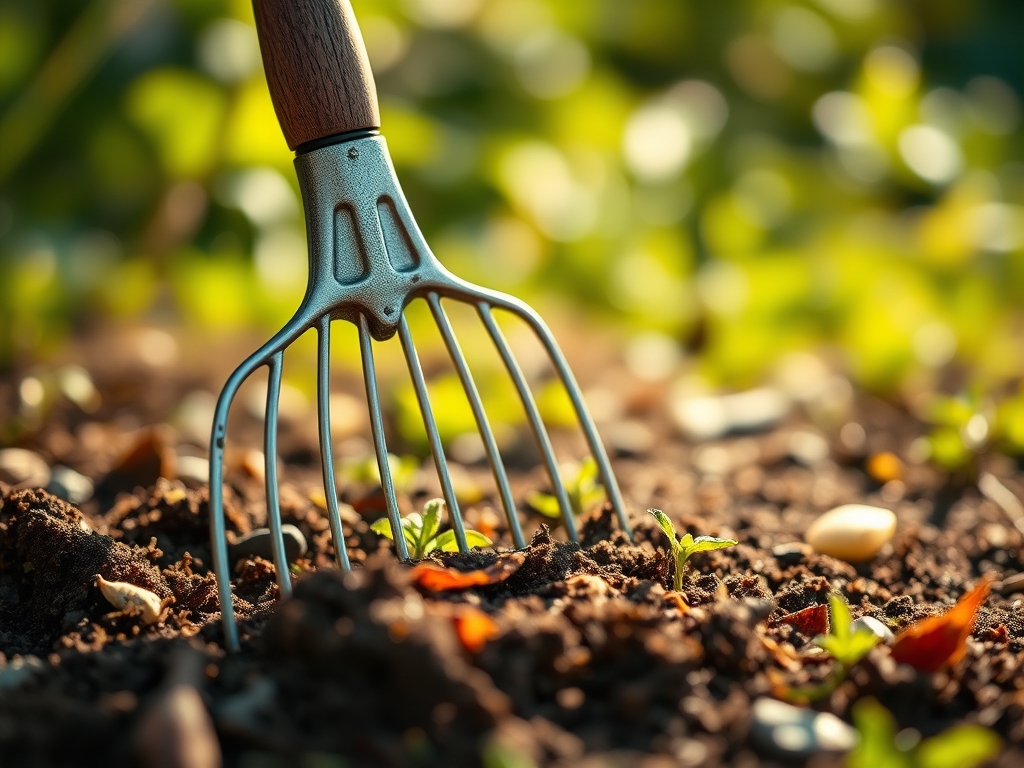
The scent of damp, disturbed earth signals the beginning of the horticultural cycle as moisture evaporates from the capillary pores of the soil. Precise site preparation is not merely about aesthetics; it is about managing the physical properties of the rhizosphere to ensure optimal gas exchange and water infiltration. Using a rake for custom landscaping allows a practitioner to manipulate the top two inches of the soil profile, breaking surface tension and creating a uniform seedbed. This mechanical intervention is essential for achieving the necessary soil-to-seed contact that triggers imbibition. Without a level, friable surface, water pools in depressions, leading to localized anaerobic conditions and root rot. Conversely, high spots desiccate too quickly, causing seedling mortality. A professional grade bow rake or landscape rake is the primary tool for calibrating this environment, ensuring that the structural integrity of the soil supports high turgor pressure and vigorous vegetative growth from the moment of emergence.
Materials:
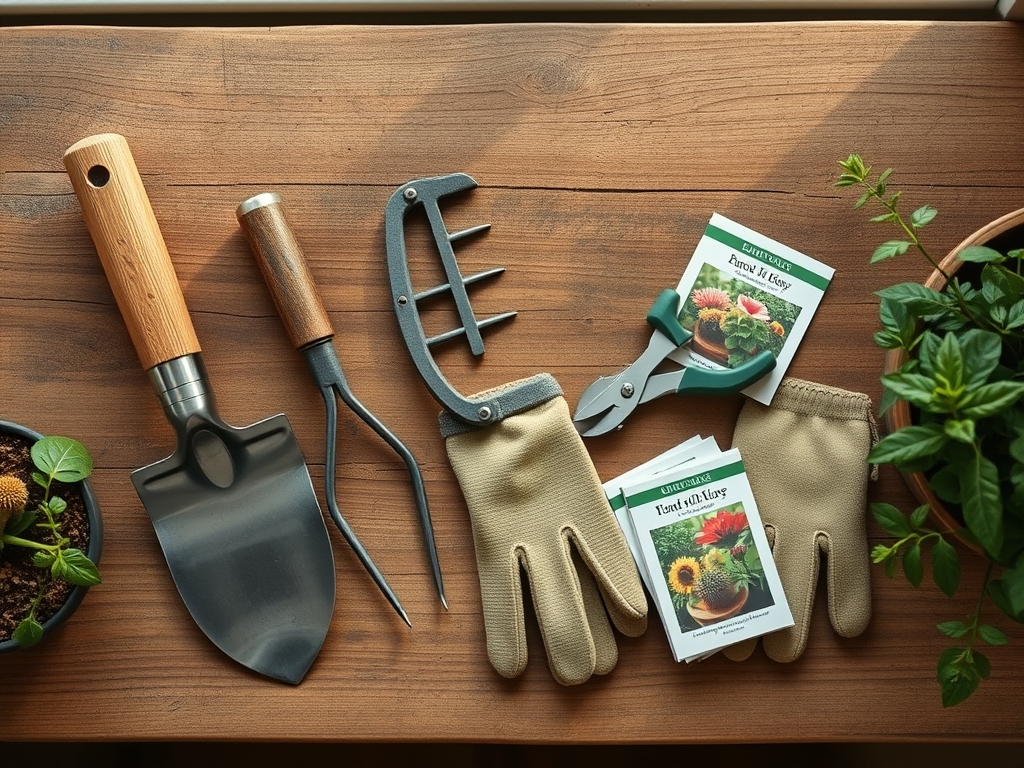
Successful site preparation begins with a friable loam substrate. This ideal soil texture consists of approximately 40 percent sand, 40 percent silt, and 20 percent clay. This balance ensures a high Cation Exchange Capacity (CEC), typically ranging from 15 to 25 meq/100g, allowing the soil to retain essential nutrients like potassium and magnesium. Before using the rake, the soil pH must be stabilized between 6.2 and 6.8 to maximize nutrient bioavailability.
Incorporate organic matter to achieve a target Nitrogen-Phosphorus-Potassium (NPK) ratio based on the specific crop. For leafy greens and vegetative growth, a 10-5-5 NPK ratio is standard. For flowering perennials or root crops, transition to a 5-10-10 NPK ratio to prioritize phosphorus for root development and potassium for cellular signaling. Ensure the substrate is free of large aggregates; any clods larger than 0.5 inches in diameter will impede the emergence of delicate hypocotyls.
Timing:
The window for site preparation is dictated by the thermal properties of the soil rather than ambient air temperature. In Hardiness Zones 5 through 7, the primary window for cool-season preparation opens when soil temperatures consistently reach 45 degrees Fahrenheit. For warm-season crops, wait until the soil maintains 65 degrees Fahrenheit at a depth of four inches.
The biological clock of the plant determines the urgency of this preparation. During the transition from the vegetative stage to the reproductive stage, plants require maximum stability in the root zone. Site preparation must be completed at least 14 days prior to the last frost date to allow the soil to settle and for microbial populations to stabilize. This period allows for the initial flush of nitrogen mineralization, providing a nutrient-dense environment for the first stage of the plant life cycle.
Phases:
Sowing
Using the tines of a bow rake, create shallow furrows at a depth exactly three times the diameter of the seed. For small seeds like carrots or lettuce, use the back of the rake to lightly press the soil, ensuring the seeds are not buried too deep for light-sensitive germination.
Pro-Tip: Proper seedbed leveling prevents "puddling," which can lead to damping off caused by fungal pathogens. By maintaining a level grade, you ensure uniform phototropism, where seedlings grow vertically toward the light source rather than leaning to escape micro-depressions.
Transplanting
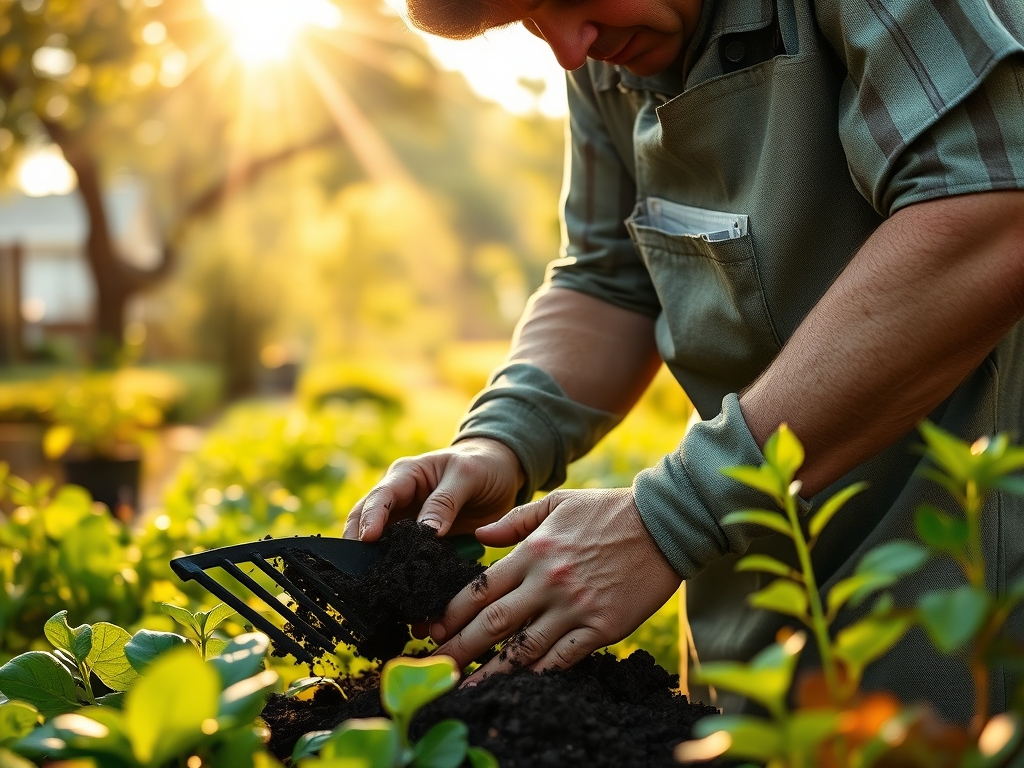
When preparing an area for transplants, use a landscape rake to incorporate compost into the top 6 inches of soil. This increases the porosity of the medium. Use a hori-hori knife to cut through any remaining systemic roots from previous plantings before smoothing the surface.
Pro-Tip: Raking in organic matter encourages mycorrhizal symbiosis. These beneficial fungi attach to the root systems of transplants, effectively increasing the surface area for water and nutrient absorption by up to 100 times.
Establishing
After planting, use the rake to distribute a thin layer of fine mulch or straw. This protects the soil surface from "crusting" caused by heavy rain or overhead irrigation. A crust-free surface allows for better oxygen diffusion into the root zone.
Pro-Tip: Maintaining a loose soil surface through light raking prevents the accumulation of ethylene gas in the soil. High ethylene levels can trigger auxin suppression, which stunts the lateral root growth necessary for plant stability.
The Clinic
Physiological disorders often stem from poor site preparation or nutrient imbalances. Observe the plants closely for these symptoms:
- Symptom: Interveinal Chlorosis. The leaves turn yellow while the veins remain green. This usually indicates a magnesium deficiency or a pH that is too high, locking out micronutrients.
- Fix-It: Apply magnesium sulfate (Epsom salts) at a rate of 1 tablespoon per gallon of water and check soil pH.
- Symptom: Purpling of Lower Leaves. This is a classic sign of phosphorus deficiency, often occurring in cold, wet soils where root activity is sluggish.
- Fix-It: Use a rake to lightly incorporate bone meal or a high-phosphorus starter fertilizer into the top inch of soil around the base of the plant.
- Symptom: Blossom End Rot. Sunken, leathery spots on the bottom of fruit indicate a calcium transport issue. This is often caused by inconsistent soil moisture rather than a lack of calcium in the soil.
- Fix-It: Ensure consistent irrigation of 1.5 inches per week and avoid deep cultivation that might damage the root hairs responsible for calcium uptake.
Maintenance
Precision maintenance requires data. Use a soil moisture meter daily to ensure the root zone stays within the 60 to 80 percent field capacity range. Most established landscapes require exactly 1.5 inches of water per week, delivered at the drip line to avoid wetting the foliage and encouraging fungal spores.
Use bypass pruners to remove any necrotic tissue or crossing branches that inhibit airflow. When weeding, use a hori-hori knife to extract the entire taproot of perennial weeds, then use a hand rake to smooth the disturbed soil immediately. This prevents weed seeds from falling into the newly created voids and germinating.
The Yield
Harvesting is the culmination of precise site prep. For most crops, the ideal harvest time is in the early morning when turgor pressure is at its peak. This ensures the plant tissues are crisp and fully hydrated. For leafy greens, use sharp shears to make a clean cut, preventing jagged edges that lead to rapid senescence (cell aging).
Post-harvest handling is critical for "day-one" freshness. Immediately submerge harvested greens in 40 degree Fahrenheit water to remove field heat. This slows the metabolic rate of the plant material, preserving sugars and vitamins. For root crops, shake off excess soil but do not wash until immediately before use to preserve the protective cuticle.
FAQ
How do I prevent soil compaction while raking?
Always work from the perimeter or use "walking boards" to distribute your weight. Stepping directly on prepared soil collapses the macropores, reducing the oxygen available to the rhizosphere and hindering root respiration.
What is the best rake for heavy clay soil?
A forged steel bow rake is required for heavy clay. The rigid tines provide the mechanical leverage needed to break down heavy clods into a friable texture, which is essential for proper drainage and aeration.
Can I use a rake to incorporate fertilizer?
Yes. Broadcast the granular fertilizer according to the NPK requirements of your specific crop, then use a rake to work it into the top 2 inches of soil. This prevents nutrient runoff and ensures the salts are near the root zone.
Why is leveling the soil so important?
Leveling prevents the formation of micro-climates within the bed. Low spots collect water, leading to anaerobic conditions, while high spots suffer from rapid evaporation. A level grade ensures uniform germination and consistent nutrient distribution across the entire plot.