7 Best Organic Indoor Fertilizers for Non-Toxic Growth
The smell of fish emulsion in a living room might repel guests, but it signals a commitment to plant health that synthetic salts cannot match. Best organic indoor plant fertilizers transform potted specimens from struggling survivors into thriving ecosystems, feeding not just the plant but the soil microbiome that sustains long-term vigor. Indoor environments present unique challenges: limited microbial activity, pH drift in soilless mixes, and the absence of natural nutrient cycling that outdoor beds enjoy. Organic amendments address these deficits by improving cation exchange capacity, promoting beneficial fungi, and releasing nutrients through biological processes rather than chemical dissolution.
Materials
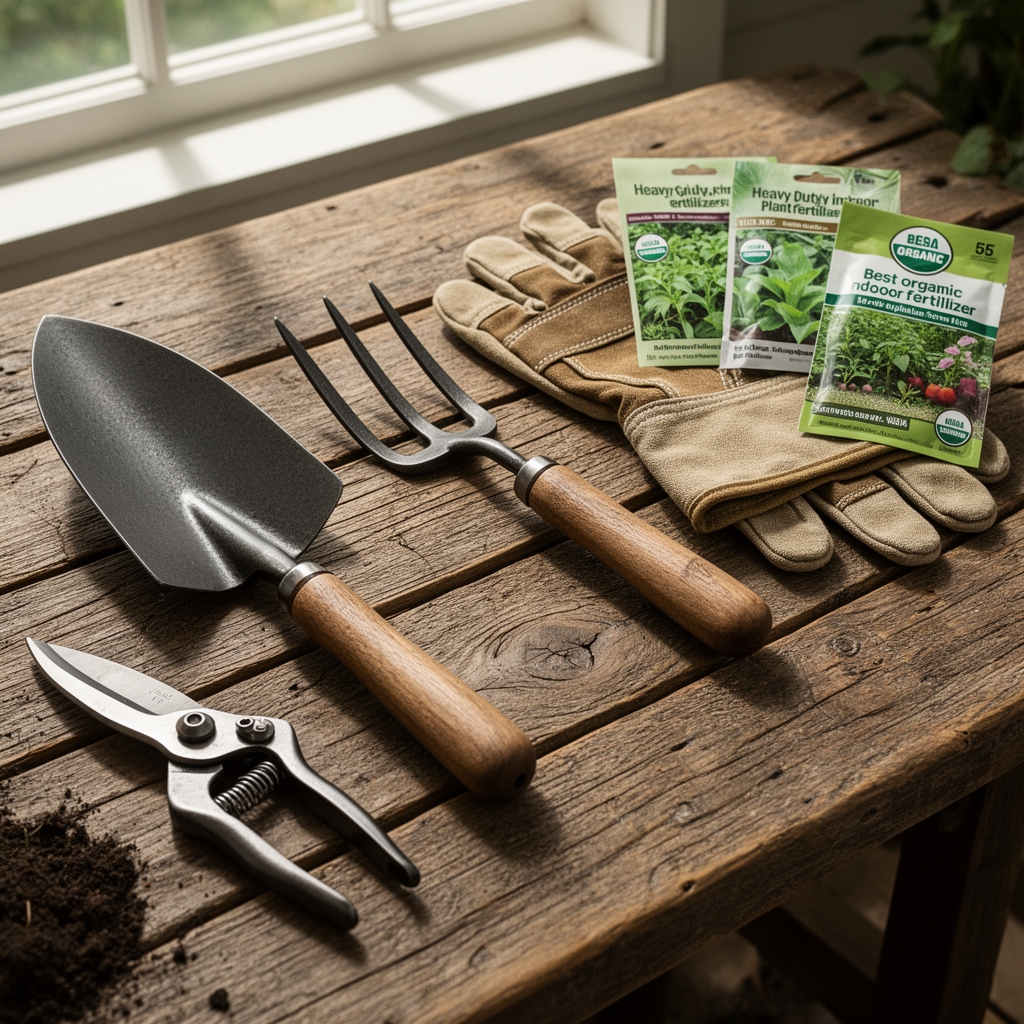
Worm Castings (1-0-0): Pure vermicompost registers near-neutral pH (6.5-7.0) and delivers slow-release nitrogen alongside humic acids. The particle size matters. Castings finer than 2mm integrate faster into potting mix, while coarser grades provide extended nutrient release over 8-12 weeks.
Fish Emulsion (5-1-1): Hydrolyzed fish proteins offer immediately available nitrogen and trace elements including iron and magnesium. The pH typically sits between 4.0-5.0. Dilute to half-strength for aroids and ferns to avoid root burn from high ammonia content.
Kelp Meal (1-0-2): Ascophyllum nodosum seaweed contains over 60 chelated micronutrients plus natural auxins and cytokinins that stimulate root branching. Expect pH around 8.0-9.0. Mix 1 tablespoon per gallon of potting medium during repotting, or brew as tea using 1 ounce per gallon of water steeped 24 hours.
Bone Meal (3-15-0): Steamed bone phosphate supports flowering and fruiting in citrus and edible indoor crops. The calcium content (24-30%) prevents blossom end rot. Acidic soils (below pH 6.0) are required for phosphorus availability. Apply 1 teaspoon per 6-inch pot every 90 days.
Neem Cake (6-1-2): Cold-pressed neem seed residue combines fertilization with systemic pest deterrence. The azadirachtin compounds remain active for 3-4 weeks. Top-dress 2 tablespoons per 8-inch container monthly. Pair with mycorrhizal fungi for enhanced nutrient uptake.
Bat Guano (10-3-1): High-nitrogen cave guano accelerates vegetative growth in foliage plants. The microbe-rich material inoculates sterile potting mixes with beneficial bacteria. Use sparingly: 1/4 teaspoon per quart of water bi-weekly during active growth phases.
Compost Tea (variable NPK): Actively aerated compost tea introduces Trichoderma, Bacillus, and other beneficial organisms. Brew for 36-48 hours at 65-75°F with continuous aeration. Apply within 4 hours of brewing to maintain microbial populations above 10^6 CFU/ml.
Timing
Indoor growing eliminates traditional frost-date concerns, but photoperiod and temperature still govern fertilization schedules. Hardiness zones become irrelevant, replaced by seasonal light availability. In USDA Zones 5-7 equivalent indoor conditions (November through February), reduce fertilization frequency by 50% as growth slows under short-day conditions. Southern exposures receive 4-6 hours of direct sun during winter months, sufficient for moderate feeding.
Begin fertilization in early March when day length exceeds 11 hours. Peak feeding occurs May through August when most tropicals exhibit maximum metabolic activity. Taper applications after the autumn equinox. Evergreen species like rubber trees and snake plants maintain year-round feeding at reduced rates: once monthly rather than bi-weekly.
Phases

Sowing Phase: Seedlings and newly propagated cuttings require minimal nitrogen to prevent leggy growth. Apply worm casting tea (1 part castings to 5 parts water) once every 14 days. The electrical conductivity should stay below 0.8 mS/cm to avoid damaging immature roots.
Pro-Tip: Inoculate seed-starting mix with endomycorrhizal fungi (Rhizophagus irregularis) at 5 grams per liter. The hyphal networks form within 3 weeks, increasing phosphorus uptake by 300%.
Transplanting Phase: Reduce watering 24 hours before transplant to firm the root ball. Incorporate 1 tablespoon kelp meal and 1 teaspoon bone meal per gallon of fresh potting mix. The kelp hormones reduce transplant shock by maintaining auxin distribution during root disturbance.
Pro-Tip: Trim circling roots at 45-degree angles rather than straight cuts. The angled surface promotes lateral root initiation at 2-3 times the rate of perpendicular cuts.
Establishing Phase: Once new leaf growth appears (typically 10-14 days post-transplant), initiate full-strength feeding. Alternate between nitrogen-rich fish emulsion and balanced kelp-neem combinations every 7-10 days. Monitor leaf color: deep green with slight gloss indicates optimal nitrogen levels.
Pro-Tip: Apply neem cake 48 hours before fish emulsion. The organic compounds in neem create binding sites that slow nitrogen leaching by 40%, extending nutrient availability.
Troubleshooting
Symptom: Interveinal chlorosis on new growth, leaf edges remain green.
Solution: Iron deficiency caused by alkaline pH (above 7.2). Drench soil with chelated iron (Fe-EDDHA) at 1/2 teaspoon per gallon. Adjust pH to 6.0-6.5 using sulfur or aluminum sulfate.
Symptom: Brown leaf tips progressing inward, older leaves affected first.
Solution: Salt accumulation from over-fertilization. Flush pots with distilled water at 2x container volume. Allow 20 minutes for leaching, then drain completely. Resume feeding at 25% strength.
Symptom: Stunted growth with dark green foliage, purple undersides on leaves.
Solution: Phosphorus lockout in cold soils (below 55°F). Move plants to warmer location. Apply bone meal tea steeped at 85°F to increase phosphate solubility.
Symptom: White crusty residue on soil surface and pot edges.
Solution: Mineral deposits from hard water or excess fertilizer salts. Scrape surface crust and replace top inch of soil. Switch to rainwater or reverse-osmosis water with TDS below 150 ppm.
Symptom: Yellow lower leaves dropping while new growth stays pale.
Solution: Nitrogen deficiency. Apply fish emulsion at full strength (1 tablespoon per gallon) weekly for 3 weeks. Supplement with worm castings top-dressed at 2 tablespoons per 6-inch pot.
Maintenance
Water until drainage emerges from bottom holes, typically 1/4 to 1/2 cup per 6-inch pot depending on plant size and potting mix composition. Allow top 1 inch of soil to dry between waterings for aroids and succulents. Ferns and calatheas require consistent moisture: top 1/2 inch dry maximum.
Rotate pots 90 degrees weekly to ensure even light exposure and prevent phototropic leaning. Clean leaves monthly with damp cloth to remove dust that blocks stomata and reduces photosynthetic efficiency by 15-20%.
Repot every 18-24 months or when roots emerge from drainage holes. Fresh potting mix restores organic matter content and prevents compaction that reduces oxygen availability to roots.
FAQ
How often should I fertilize indoor plants organically?
Every 10-14 days during active growth (March through September), monthly during dormancy (October through February). Flowering plants require bi-weekly applications year-round.
Can I mix different organic fertilizers together?
Yes. Combine kelp meal and worm castings for balanced nutrition. Avoid mixing bone meal with high-nitrogen amendments in single application as phosphorus can inhibit nitrogen uptake.
Do organic fertilizers smell indoors?
Fish emulsion produces strong odor for 4-6 hours after application. Kelp and neem emit mild earthy scents. Apply near open windows or use compost tea as odorless alternative.
What NPK ratio is best for foliage plants?
Balanced 3-1-2 or 4-1-2 ratios support leaf production without excessive flowering. Higher nitrogen (5-1-1) suits fast-growing pothos and philodendrons.
Will organic fertilizers attract pests indoors?
Properly composted materials do not attract fungus gnats or flies. Avoid raw kitchen scraps. Neem cake actively repels many common houseplant insects including spider mites and aphids.