8 Best Rare Plants for Enhancing Custom Landscapes
The smell of damp earth after a deep irrigation cycle signals the activation of microbial life within the rhizosphere. When a leaf reaches full turgor pressure, its cells are rigid and the vascular system is optimized for nutrient transport. Selecting the best plants for custom landscaping requires more than an aesthetic eye; it demands an understanding of plant physiology and soil chemistry. Rare specimens offer distinct textures and growth habits that standard nursery stock cannot replicate. These plants serve as structural anchors that define a space through their unique leaf morphology and seasonal transitions. To succeed with rare cultivars, a horticulturist must master the balance of light intensity, soil drainage, and mineral availability. Every selection in this guide is chosen for its ability to thrive under specific environmental parameters while providing a sophisticated visual profile. Success begins with the substrate and ends with a disciplined maintenance schedule that respects the biological limits of each species.
Materials:
The foundation of any high-end landscape is the soil composition. For the rare species listed below, the substrate must be a friable loam with a high Cation Exchange Capacity (CEC) to ensure nutrient retention.
- Acidophilic Plants (e.g., Wollemi Pine, Franklin Tree): These require a soil pH between 4.5 and 5.8. Use a dedicated NPK ratio of 10-5-4 to support slow, steady growth without salt buildup.
- Neutral to Alkaline Specimens (e.g., Persian Ironwood, Chilean Fire Tree): Maintain a pH of 6.5 to 7.5. A balanced 10-10-10 slow-release fertilizer provides the necessary phosphorus for root establishment.
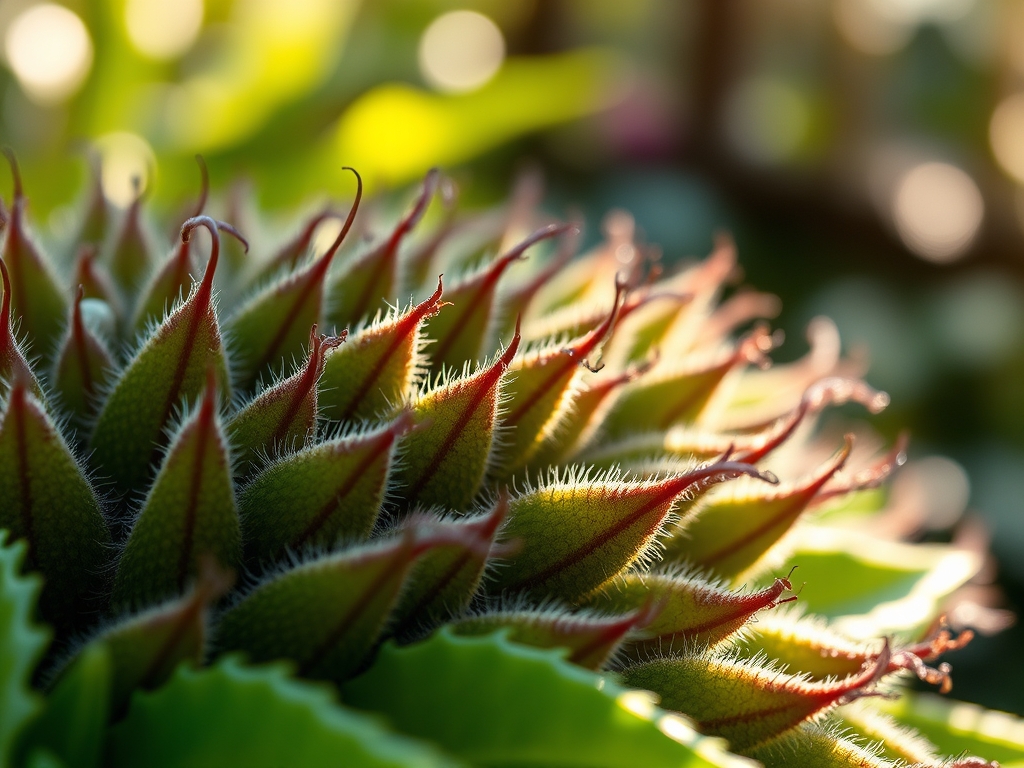
- Succulent and Xeric Rarity (e.g., Spiral Aloe, Whale's Tongue Agave): These demand a gritty, inorganic substrate with at least 50 percent perlite or crushed lava rock. Use a low-nitrogen NPK ratio like 2-7-7 to prevent weak, leggy growth.
The physical texture should allow for immediate drainage while holding enough hygroscopic water to prevent cellular collapse. Test your soil with a digital meter to ensure the electrical conductivity (EC) remains below 2.0 mS/cm.
Timing:
Successful installation depends on the Hardiness Zone and the plant's internal biological clock. Most rare specimens should be planted when the soil temperature reaches a consistent 55 degrees Fahrenheit.
- Zones 5 to 7: Plant in early spring, at least three weeks after the last frost, to allow for root development before summer heat stress.
- Zones 8 to 10: Fall planting is superior. This utilizes the winter rains to establish the root system while the canopy is in a state of senescence or reduced metabolic activity.
The transition from the vegetative stage to the reproductive stage is governed by the photoperiod. For example, the Franklinia alatamaha requires shortening day lengths and cooling night temperatures to trigger its late-season flowering. Disrupting this cycle with excessive artificial light can lead to frost damage as the plant fails to enter dormancy on time.
Phases:
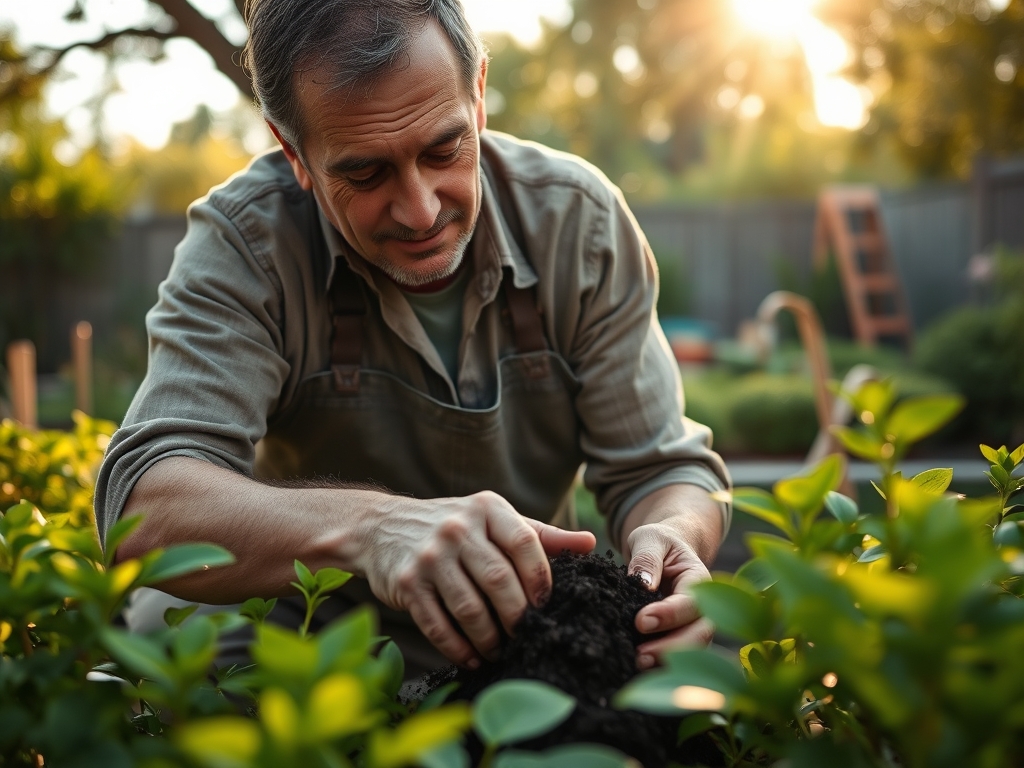
Sowing and Seed Stratification
Rare seeds often require cold stratification for 60 to 90 days at 34 to 40 degrees Fahrenheit. This process breaks down germination inhibitors within the seed coat.
Pro-Tip: This mimics the natural winter cycle to deactivate abscisic acid, a hormone that prevents premature germination in unfavorable conditions.
Transplanting
When moving a specimen from a container to the field, the hole must be twice as wide as the root ball but no deeper. Ensure the root flare is visible at the soil surface to prevent stem rot.
Pro-Tip: Do not over-amend the backfill. This prevents the "bathtub effect" and encourages roots to seek out native soil through hydrotropism, the growth of roots toward moisture gradients.
Establishing
During the first 18 months, the plant is in its establishment phase. Monitor the turgor pressure of the leaves daily. Supplemental irrigation is mandatory if the soil feels dry at a depth of 3 inches.
Pro-Tip: Minimize pruning during this phase to maintain high levels of auxins at the terminal buds; these hormones signal the roots to expand and secure the plant in the substrate.
The Clinic:
Physiological disorders often mimic disease. Use this diagnostic guide to identify and correct issues.
- Symptom: Interveinal chlorosis (yellowing between green veins) on new growth.
- Solution: This indicates Iron deficiency, often caused by high soil pH. Apply chelated iron and lower the pH with elemental sulfur.
- Symptom: Marginal leaf burn or browning tips on older leaves.
- Solution: This is typically Salt Toxicity from over-fertilization. Flush the root zone with 5 gallons of water per square foot to leach excess minerals.
- Symptom: Sudden wilting despite moist soil.
- Solution: This suggests Root Rot (Phytophthora). Improve drainage immediately and apply a copper-based fungicide to the soil drench.
- Fix-It for Nitrogen Chlorosis: If the entire plant turns pale green, apply a quick-release high-nitrogen liquid feed (20-0-0) at half strength to restore chlorophyll production.
Maintenance:
Precision maintenance separates a surviving landscape from a thriving one. Use a soil moisture meter to verify that the root zone receives 1.5 inches of water per week at the drip line. Avoid overhead irrigation to prevent fungal spores from colonizing the foliage.
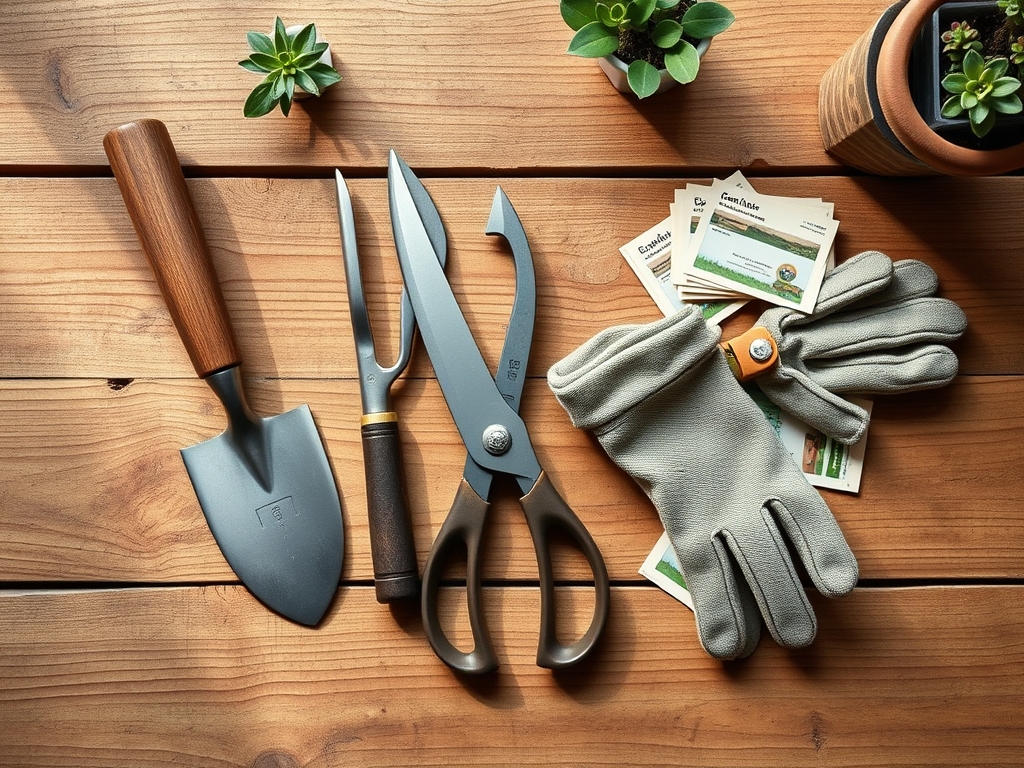
For pruning, use bypass pruners for clean cuts on living tissue and a hori-hori knife for removing circling roots during the planting phase. Clean all tools with 70 percent isopropyl alcohol between plants to prevent cross-contamination. Mulch with 3 inches of organic arborist chips, keeping the material 4 inches away from the trunk to allow for gas exchange at the root flare.
The Yield:
When harvesting flowers from rare specimens like the Davidia involucrata (Handkerchief Tree), timing is critical. Cut the stems in the early morning when carbohydrate reserves are highest and the plant is fully hydrated.
Use a sharp, sterilized blade to make a 45-degree angle cut. Immediately plunge the stems into 110-degree Fahrenheit water containing a floral preservative. This "hardening off" process removes air bubbles from the xylem and ensures the bracts maintain their structural integrity for up to 10 days.
FAQ:
What is the best way to improve soil drainage?
Incorporate coarse organic matter and expanded shale into the top 12 inches of the soil profile. This increases macropore space, allowing oxygen to reach the rhizosphere and preventing anaerobic conditions that lead to root necrosis.
How do I know if my plant needs nitrogen?
Look for stunted growth and a general yellowing of older, lower leaves. Since nitrogen is a mobile nutrient, the plant will sacrifice older foliage to support new growth at the meristem. Apply a balanced organic fertilizer to correct.
Can I grow rare tropicals in Zone 7?
Only if you provide a microclimate. Plant near a south-facing masonry wall to utilize thermal mass. Use heavy mulching and frost blankets when temperatures drop below 32 degrees Fahrenheit to protect the vascular tissue from freezing.
Why are my rare plant's leaves curling?
Leaf curling is often a defense mechanism against excessive transpiration. If the roots cannot supply water as fast as the leaves lose it, the plant reduces its surface area. Check soil moisture and provide temporary shade.