6 Steps to Clean Algae Off Glass Terrariums Safely
Glass terrariums develop algae when light, moisture, and nutrients converge on interior surfaces. The green film clouds observation and competes with your plants for resources. Following proven steps for cleaning algae off glass terrariums restores clarity without disturbing the delicate ecosystem you've cultivated inside the enclosure. Professional greenhouse technicians rely on mechanical removal paired with environmental adjustments to prevent recurrence while protecting root zones and substrate chemistry.
Materials
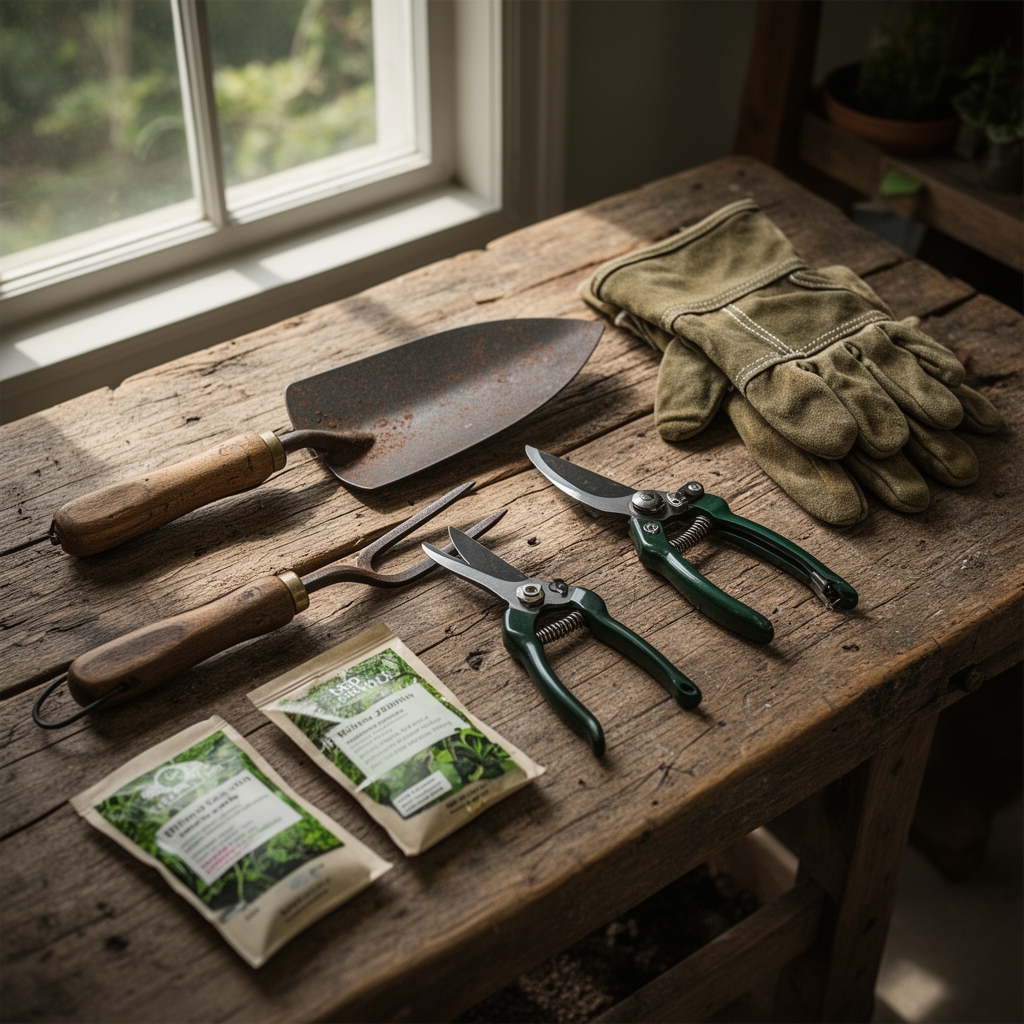
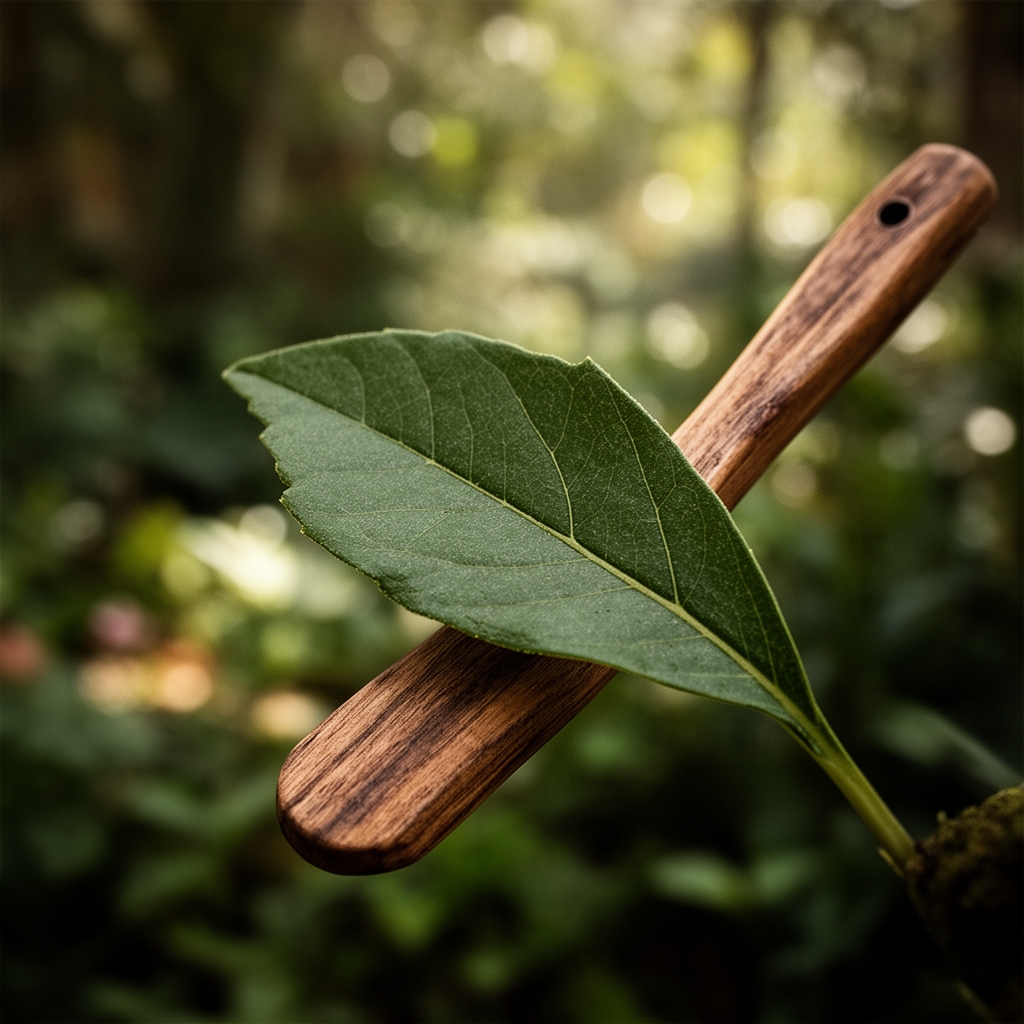
Effective algae removal requires tools that respect the enclosed environment. Distilled water (pH 7.0) prevents mineral deposits that encourage new algae colonization. White vinegar solution at 5% acetic acid provides mild acidity (pH 2.4) that dissolves algae without altering substrate chemistry when used externally. A plastic razor blade scraper removes stubborn growth without scratching glass surfaces.
Microfiber cloths trap algae particles instead of redistributing them. Paper towels leave lint that decomposes and elevates nitrogen levels. For external cleaning, isopropyl alcohol at 70% concentration cuts through organic residue. Cotton swabs access corners and silicone seams.
Hydrogen peroxide at 3% concentration serves as an optional sterilizing agent for severe infestations. This oxidizer breaks down into water and oxygen, leaving no harmful residue. Calculate 1 milliliter per 10 square inches of affected glass. Avoid products containing ammonia or phosphates. These compounds elevate NPK ratios (particularly the N and P components) and accelerate algae regrowth once moisture returns.
Timing
Address algae removal when growth reaches 1-2 millimeters thick. Thinner films wipe away easily. Thicker mats develop rhizoids that anchor into microscopic glass imperfections. Schedule cleaning during your terrarium's dormant period if housing deciduous species. For tropical evergreen setups, choose early morning when substrate moisture is lowest and plants have closed their stomata.
Hardiness zones matter less than light cycles. Terrariums in Zones 3-7 receiving winter window light develop less algae from November through February due to reduced photosynthetic activity. Southern exposures in Zones 8-11 require quarterly cleaning. East and west-facing placements need attention every 6-8 weeks.
Phases
Phase 1: Preparation and Plant Protection
Remove the terrarium lid or access panel. Allow internal humidity to drop from typical 80-90% to 60-65% over 30 minutes. This prevents condensation from forming on your cleaning tools. Identify any contact points where foliage touches glass. Gently position these leaves away from the work area using bamboo skewers as temporary props.
Assess substrate moisture 2 inches below the surface. If saturation exceeds 70%, postpone cleaning until moisture drops to 50-60%. Excess water creates runoff that carries dislodged algae particles into the root zone.
Pro-Tip: Place a sheet of wax paper on the substrate surface beneath your work area. This catchment system collects falling algae fragments for easy removal without soil disruption.
Phase 2: Mechanical Removal
Begin with dry removal. Use the plastic razor blade at a 45-degree angle against the glass. Apply 2-3 pounds of pressure, pushing upward in overlapping strokes. Collect scraped material on a microfiber cloth held below the blade. This captures 85-90% of algae mass before introducing any liquid.
For remaining residue, dampen a clean microfiber cloth with distilled water. Wipe in circular motions, working from top to bottom. Rinse and wring the cloth every 6-8 square inches of coverage. The cation exchange capacity of algae cells causes them to cling to fabric fibers rather than redeposit on glass.
Apply vinegar solution only to stubborn patches. Spray onto the cloth rather than directly on glass to control application rate. Limit contact time to 15-20 seconds before wiping clean with distilled water. Extended acid exposure can etch glass or alter pH if solution drips into substrate.
Pro-Tip: For curved glass sections, wrap the microfiber cloth around a wooden dowel matching the curve radius. This maintains consistent pressure and prevents fingertip oils from transferring to cleaned surfaces.
Phase 3: Sterilization and Prevention
Exterior glass receives different treatment. Spray isopropyl alcohol on outer surfaces and wipe with paper towels. This removes algae spores, dust, and the biofilm that provides algae attachment sites. Clean exterior glass blocks 2-3% more light transmission than neglected surfaces, reducing the energy available for interior algae photosynthesis.
For severe infestations, apply 3% hydrogen peroxide to interior glass using a cotton swab. Target only affected areas. Wait 5 minutes for oxidation to complete, then wipe with distilled water. This treatment eliminates 99% of algae cells and spores.
Replace the lid but prop it open 0.25 inches for 2 hours. This ventilation period reduces humidity spikes that occur after cleaning disturbance. Monitor substrate moisture and remove any algae fragments that fell despite protective measures.
Pro-Tip: Install a 0.25-inch air gap in your terrarium lid using adhesive cork bumpers. This passive ventilation reduces humidity by 5-8% and cuts algae recurrence rates in half without compromising moisture-dependent species.
Troubleshooting
Symptom: Algae returns within 7-10 days of cleaning.
Solution: Reduce light exposure by 2-3 hours daily or move the terrarium 3 feet farther from the window. Excess photosynthetically active radiation (PAR) in the 400-700 nanometer range drives rapid algae reproduction. Measure light intensity with a PAR meter. Maintain 50-150 micromoles per square meter per second for low-light terrarium plants.
Symptom: White crusty deposits appear after vinegar cleaning.
Solution: Hard water minerals concentrated in the vinegar solution have precipitated. Switch to distilled water exclusively. Remove deposits by dampening them with distilled water, waiting 3 minutes for rehydration, then wiping away. These mineral scales raise substrate pH by 0.3-0.5 units if allowed to wash into soil.
Symptom: Brown patches replace green algae after hydrogen peroxide treatment.
Solution: Oxidized organic matter from dead algae cells. This is normal. The brown residue contains no living cells. Wipe away with distilled water. These compounds break down within 48 hours through aerobic decomposition.
Symptom: Plant leaves develop yellow margins after cleaning session.
Solution: Isopropyl alcohol vapor exposure. Even external application creates fumes that enter through open lids. Alcohol disrupts auxin distribution in sensitive species. Move affected plants to open air for 24 hours. Water with 0.25 inches to flush any absorbed alcohol through the root system.
Symptom: Fuzzy white growth appears on substrate surface post-cleaning.
Solution: Beneficial mycorrhizal fungi responding to increased oxygen from ventilation, not contamination. This saprophytic growth processes fallen algae fragments. Allow it to establish. These fungi improve nutrient uptake and suppress pathogenic organisms. They will fade as substrate moisture stabilizes.
Maintenance
Prevent algae establishment through environmental control. Reduce watering frequency by 25% if algae appears between cleanings. Most closed terrariums need only 0.125 inches of water every 3-4 weeks. Overwatering raises the nitrogen available from decomposing organic matter, directly feeding algae populations.
Position terrariums to receive bright indirect light for 8-10 hours daily. Direct sun raises interior temperatures above 85°F, accelerating algae growth rates by 40-60%. North-facing windows in Zones 6-9 provide ideal conditions year-round.
Inspect glass weekly during active growing seasons. Wipe away any green tint immediately using a dry microfiber cloth. Early intervention prevents algae from anchoring. Monthly deep cleaning maintains crystal clarity in high-humidity tropical setups.
Trim dead or dying plant material within 24 hours of appearance. Decomposing tissue releases dissolved organic carbon that serves as algae fertilizer. Remove fallen leaves from the substrate surface rather than allowing them to break down in place.
Consider adding a cleanup crew of springtails (Collembola species). These arthropods consume algae, fungi, and detritus. Introduce 10-15 individuals per gallon of terrarium volume. They reproduce to match available food sources and require no supplemental feeding.
FAQ
How often should I clean terrarium glass?
Clean when algae reaches 1 millimeter thickness, typically every 4-8 weeks depending on light exposure and humidity levels. Monthly inspections catch growth early when removal takes 5-10 minutes instead of an hour.
Can I use tap water for cleaning?
Tap water contains chlorine, chloramines, and dissolved minerals that promote algae regrowth. Distilled water costs $1 per gallon and eliminates these variables. The investment prevents double work from premature recolonization.
Will algae harm my terrarium plants?
Algae competes for light, carbon dioxide, and nutrients, reducing availability to vascular plants. Thick algae films block 15-20% of light transmission. They do not parasitize plants directly but stress them through resource competition.
Should I remove plants during deep cleaning?
Remove plants only if algae covers more than 60% of interior glass surfaces. Partial cleaning around established root systems prevents transplant shock and maintains mycorrhizal associations that take 6-8 weeks to reestablish.
Does algae indicate poor terrarium health?
Algae indicates abundant light and moisture, not poor health. Well-balanced closed systems develop minimal algae because plants outcompete them for resources. Heavy growth signals excess light or water beyond plant uptake capacity.