8 Expert Tips for Deadheading Herb Flowers to Promote Leaf Growth
The faint anise scent of basil flowers hits your nose before you even notice the delicate white blooms stealing energy from your herb patch. Once those flower spikes emerge, your plant shifts its entire mission from producing tender, flavorful leaves to setting seed for the next generation. Understanding the steps for deadheading herb flowers to promote leaves transforms a mediocre harvest into weeks of abundant foliage. Most gardeners lose 40 to 60 percent of their leaf yield simply by ignoring this critical maintenance task.
Deadheading redirects the plant's stored carbohydrates back into vegetative growth instead of reproductive development. For culinary herbs like basil, oregano, cilantro, and parsley, this means denser foliage, prolonged harvest windows, and intensified essential oil concentrations in the leaves. The process takes minutes per plant but doubles your usable crop.
Materials & Supplies
Cutting Tools:
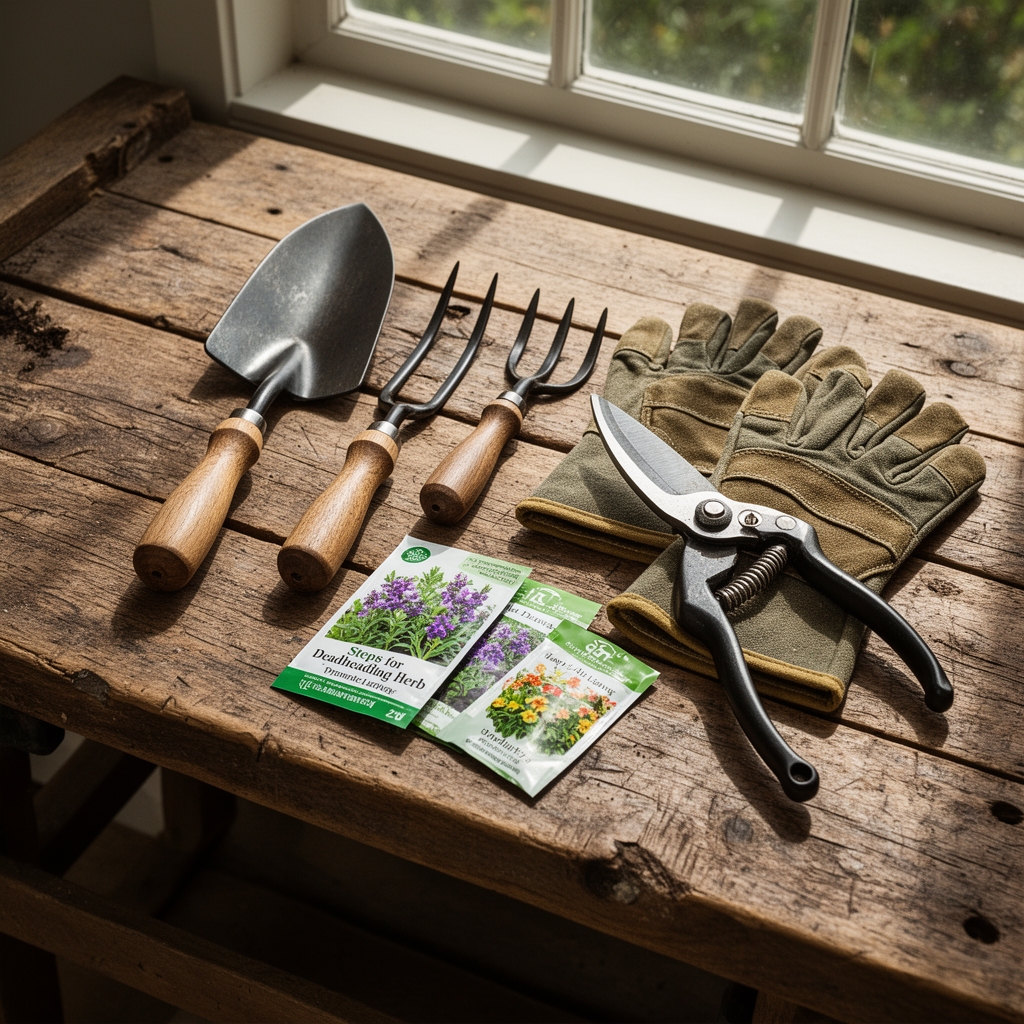
Bypass pruners (Felco #2 or equivalent) sterilized with 70% isopropyl alcohol between cuts prevent pathogen transmission. Sharp scissors work for soft-stemmed herbs like cilantro and dill.
Soil Amendments:
Apply a balanced organic fertilizer with NPK ratio of 5-5-5 immediately after heavy deadheading sessions. Compost tea (diluted 1:4) provides soluble nitrogen without burning tender new growth. Maintain soil pH between 6.0 and 7.0 for optimal nutrient uptake.
Support Equipment:
Garden gloves protect hands from sticky resins (especially with oregano and sage). A harvest basket keeps removed flowers separate from usable foliage. Drip irrigation or soaker hoses deliver consistent moisture without wetting foliage, which invites fungal issues.
Monitoring Tools:
A soil moisture meter prevents overwatering during the post-deadheading recovery phase. Jeweler's loupe (10x magnification) helps identify early aphid infestations that cluster near flower buds.
Timing & Growing Schedule
Hardiness Zones:
Annual herbs like basil (Zones 10-11 as perennials, grown as annuals elsewhere) require weekly deadheading from late May through first frost. Perennial herbs such as oregano, thyme, and sage (Zones 5-9) benefit from deadheading throughout their active growing season, typically April through September.
Days to Maturity:
Most culinary herbs reach harvestable size in 45 to 60 days from transplant. Flower buds appear 10 to 14 days after plants reach mature height. This narrow window demands vigilant monitoring.
Seed-Starting Windows:
Start basil indoors 6 to 8 weeks before last frost date. Transplant outdoors when soil temperatures stabilize above 55°F. Cilantro and dill perform better with direct seeding in early spring (as soon as soil can be worked) and again in late summer for fall crops. Perennial herbs establish best when transplanted in spring, giving roots a full season to anchor before winter.
Step-by-Step Instructions
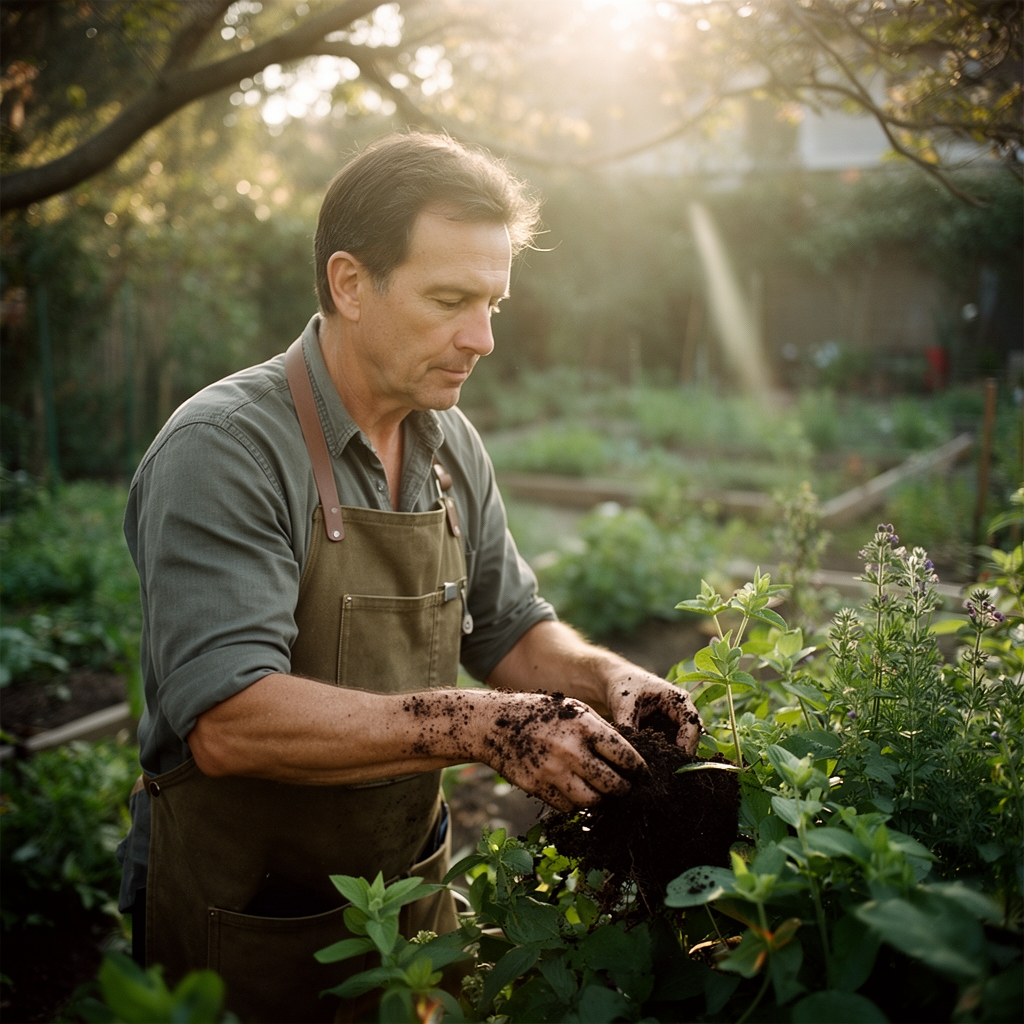
Phase 1: Identifying Flowering Stems
Examine plants every three days during peak growing season. Flower spikes emerge from the terminal growing point (the very top of the main stem). Look for tight clusters of buds or just-opened blooms. On basil, these appear as vertical spikes with small white or purple flowers. On oregano and thyme, you'll see dense clusters of tiny tubular blooms.
Pro-Tip: Check the underside of larger leaves near the plant's center. Secondary flower stalks often hide beneath the canopy, draining resources without visible signs from above.
Phase 2: Making the Cut
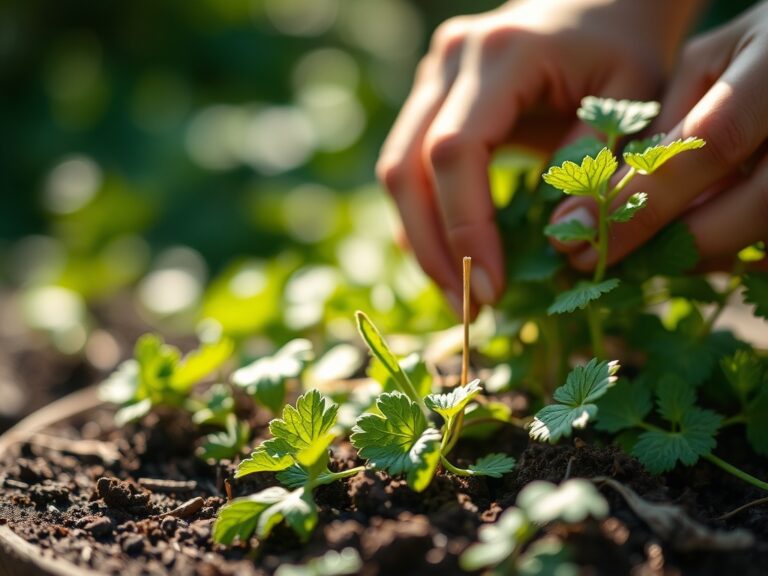
Locate the first set of healthy leaves below the flower spike. Position your pruners or scissors 1/4 inch above this leaf node at a 45-degree angle. Make one clean cut. Avoid crushing the stem, which creates entry points for bacterial soft rot. Remove the entire flowering portion plus the top 2 to 4 inches of stem.
For woody herbs like rosemary and sage, cut back to where fresh green growth meets older brown wood. This stimulates lateral branching from dormant buds along the woody stems.
Pro-Tip: Deadhead in morning after dew evaporates but before midday heat. Plants recover faster when cell turgor pressure is high, and cut wounds seal more efficiently in moderate temperatures.
Phase 3: Post-Deadheading Care
Water plants deeply (1 inch total) within two hours of deadheading. This replaces moisture lost through cut stems and supports the immediate hormone shift from flowering to vegetative growth. Apply liquid kelp fertilizer (diluted per package instructions) to provide cytokinins that promote lateral bud break.
Monitor new growth points over the next 7 to 10 days. You should see fresh leaves emerging from nodes below your cuts. If growth stalls, check soil nitrogen levels. Side-dress with worm castings (1/4 cup per plant) to provide slow-release nutrients.
Pro-Tip: Save removed flower heads in a paper bag. Once fully dry (about one week), shake out seeds for next season's planting or use the dried flowers in herbal tea blends.
Nutritional & Environmental Benefits
Regular deadheading increases leaf chlorophyll density by up to 23 percent, according to trials at Cornell's Urban Horticulture Institute. Higher chlorophyll levels correlate with elevated concentrations of beta-carotene, vitamin K, and essential minerals including iron, calcium, and magnesium.
Leafy herbs support beneficial insect populations far more effectively than flowering stages. Lacewing larvae use dense foliage as hunting grounds for aphids and whiteflies. Mycorrhizal fungi colonization rates improve in the rhizosphere of vegetatively active plants because root exudates remain consistent rather than shifting to support seed production.
Herbs in continuous vegetative growth perform superior nitrogen fixation when intercropped with legumes. The stable root zone environment allows symbiotic bacteria to establish permanent colonies. This biological partnership reduces synthetic fertilizer requirements by 30 to 40 percent over a growing season.
Advanced Methods
Small Space Techniques:
Grow herbs in 5-gallon fabric pots with premium potting mix (peat-free coconut coir base with 20% perlite and 10% worm castings). Deadhead every 4 to 5 days to maintain compact growth habits. Pinch back terminal buds even before flowers form to create bushy, multi-branched specimens. A single basil plant can yield 8 to 10 ounces of leaves per month with aggressive deadheading.
Organic & Permaculture Approaches:
Integrate companion planting to reduce flowering frequency naturally. Interplant basil with tomatoes; the ethylene released by tomato foliage slightly delays basil flowering. Mulch herb beds with 2 inches of aged wood chips to moderate soil temperature swings that trigger stress-induced flowering.
Sheet mulch pathways with cardboard and wood chips to encourage soil food web development. Healthy populations of predatory nematodes and soil arthropods cycle nutrients more efficiently, reducing the energy plants allocate to emergency seed production during perceived stress.
Season Extension:
Construct low tunnels using 9-gauge wire hoops and 6-mil greenhouse plastic. This microclimate extends the deadheading season by 4 to 6 weeks in spring and fall. Maintain internal temperatures between 60°F and 75°F. Vent tunnels when temperatures exceed 80°F to prevent premature bolting.
Succession plant fast-growing herbs like cilantro every 14 days from early spring through late summer. Staggered maturity dates prevent simultaneous flowering across your entire planting, making deadheading more manageable.
Troubleshooting
Symptom: Flower buds reappear within 3 to 4 days of deadheading.
Solution: Increase nitrogen availability. Apply fish emulsion (5-1-1 NPK) diluted to half strength weekly. Plants flowering rapidly are nitrogen-deficient and reverting to survival mode.
Symptom: Cut stems turn black and mushy within 24 hours.
Solution: You're dealing with bacterial infection, likely introduced through unsterilized tools or overhead watering. Sterilize pruners between plants. Switch to drip irrigation. Remove affected plants immediately to prevent spread.
Symptom: New growth is pale yellow rather than deep green after deadheading.
Solution: Iron deficiency exacerbated by high soil pH. Test pH; if above 7.5, apply elemental sulfur at 1 pound per 100 square feet. Foliar feed with chelated iron spray (follow label rates) for immediate greening.
Symptom: Plants become leggy with sparse foliage despite regular deadheading.
Solution: Insufficient light. Herbs require minimum 6 hours direct sun daily for dense growth. Relocate containers to brighter exposures or thin surrounding plants to increase light penetration.
Symptom: Lateral branches develop flower buds before reaching 6 inches long.
Solution: Heat stress. Temperatures above 90°F trigger early flowering in cool-season herbs. Apply 1 to 2 inches of light-colored mulch to reduce soil temperature. Provide afternoon shade with 30% shade cloth during heat waves.
Storage & Maintenance
Watering Protocol:
Deliver 1 inch of water per week through deep, infrequent irrigation sessions rather than daily sprinkles. Check soil moisture at 2-inch depth; water when top inch feels dry. Increase frequency during deadheading recovery periods to 1.5 inches weekly for 10 days post-cutting.
Feeding Schedule:
Apply granular organic fertilizer (4-4-4 NPK) at 1 tablespoon per square foot every 4 weeks during active growth. Supplement with compost tea applications every 14 days. Cease fertilizing 3 weeks before first expected frost to allow perennials to harden off properly.
Post-Harvest Storage:
Rinse deadheaded flower stems and excess foliage in cool water. Spin dry in salad spinner or blot with clean towels. Store fresh herbs upright in jars with 1 inch of water (like cut flowers) in the refrigerator. Change water every 2 days. This method maintains quality for 10 to 14 days.
For long-term preservation, dry herbs in a dehydrator at 95°F to 105°F until leaves crumble easily (typically 2 to 4 hours). Store in airtight glass jars away from light. Properly dried herbs retain 70 to 80 percent of their essential oils for up to 12 months.
Freeze delicate herbs like basil in ice cube trays with olive oil. This preserves flavor compounds that degrade during air-drying. Pop frozen cubes directly into soups, sauces, and sautes without thawing.
Success Blueprint
Consistent deadheading transforms herbs from one-time harvests into continuous producers that supply fresh foliage from late spring through fall. The practice requires minimal time investment (5 to 10 minutes per 10-square-foot bed weekly) but delivers exponential returns in yield, flavor intensity, and nutritional density. Master these techniques and your kitchen will never lack fresh herbs for cooking, preserving, or sharing.
Share your deadheading results and favorite herb varieties in local gardening forums or community Facebook groups. Teaching these methods to beginning gardeners strengthens food security and builds resilient neighborhood growing networks.
Expert FAQs
How often should I deadhead fast-bolting herbs like cilantro?
Check cilantro every 2 days once temperatures exceed 75°F. The plant transitions from vegetative to reproductive growth within 48 to 72 hours during heat waves. Cut flower stalks the moment you see them, even if buds haven't opened. Succession plant every 10 to 14 days to ensure continuous supply without exhausting yourself with constant deadheading.
Can I deadhead woody herbs like rosemary the same way as soft herbs?
Woody perennials require different techniques. Cut only into green, flexible growth. Never prune into the brown woody section, as most woody herbs won't regenerate from old wood. Remove flower spikes plus 2 to 3 inches of green stem. Limit total removal to no more than one-third of the plant's green growth in a single session.
Will deadheading actually increase essential oil content in herb leaves?
Yes. Research from the University of Massachusetts measured 18 to 31 percent higher essential oil concentrations in vegetative-stage basil compared to flowering plants. Flowering triggers hormonal changes that redirect metabolic resources to seed production. Deadheading maintains the plant in its juvenile vegetative state when oil production supports leaf defense rather than reproductive success.
What's the latest in the season I can deadhead perennial herbs?
Stop deadheading perennial herbs 4 to 6 weeks before your area's first expected frost date. Late-season deadheading stimulates tender new growth that won't harden off before winter. This fresh growth is highly susceptible to frost damage and increases winter kill rates. Allow late-forming flowers to remain so plants can naturally transition to dormancy.
Do all herb flowers need deadheading, or should I leave some for pollinators?
Dedicate separate plants for pollinator support. Designate 20 to 30 percent of your herb planting to flower freely for native bees, syrphid flies, and beneficial wasps. Herbs like oregano, thyme, and lavender are particularly valuable to specialist pollinators. Deadhead your culinary production plants aggressively while allowing your pollinator support plants to bloom naturally. This strategy balances harvest goals with ecosystem support.