9 Best Garden Clippers for Creating Beautiful Vegetable Bouquets
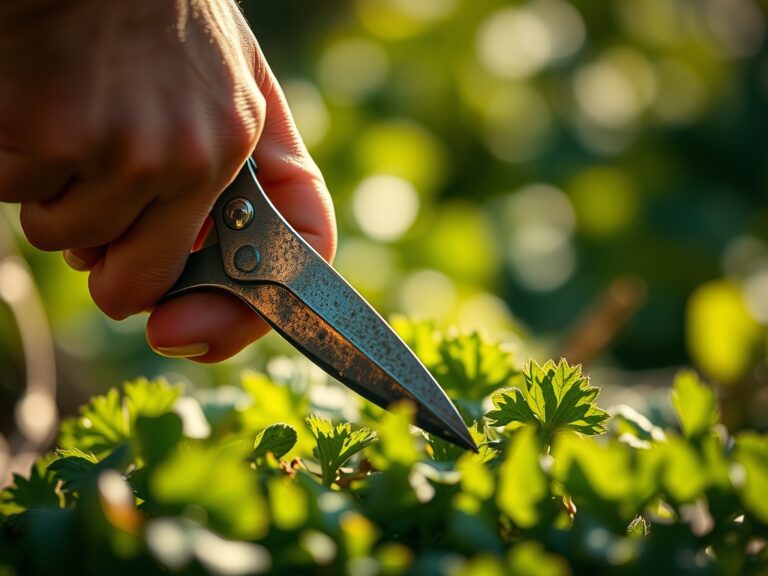
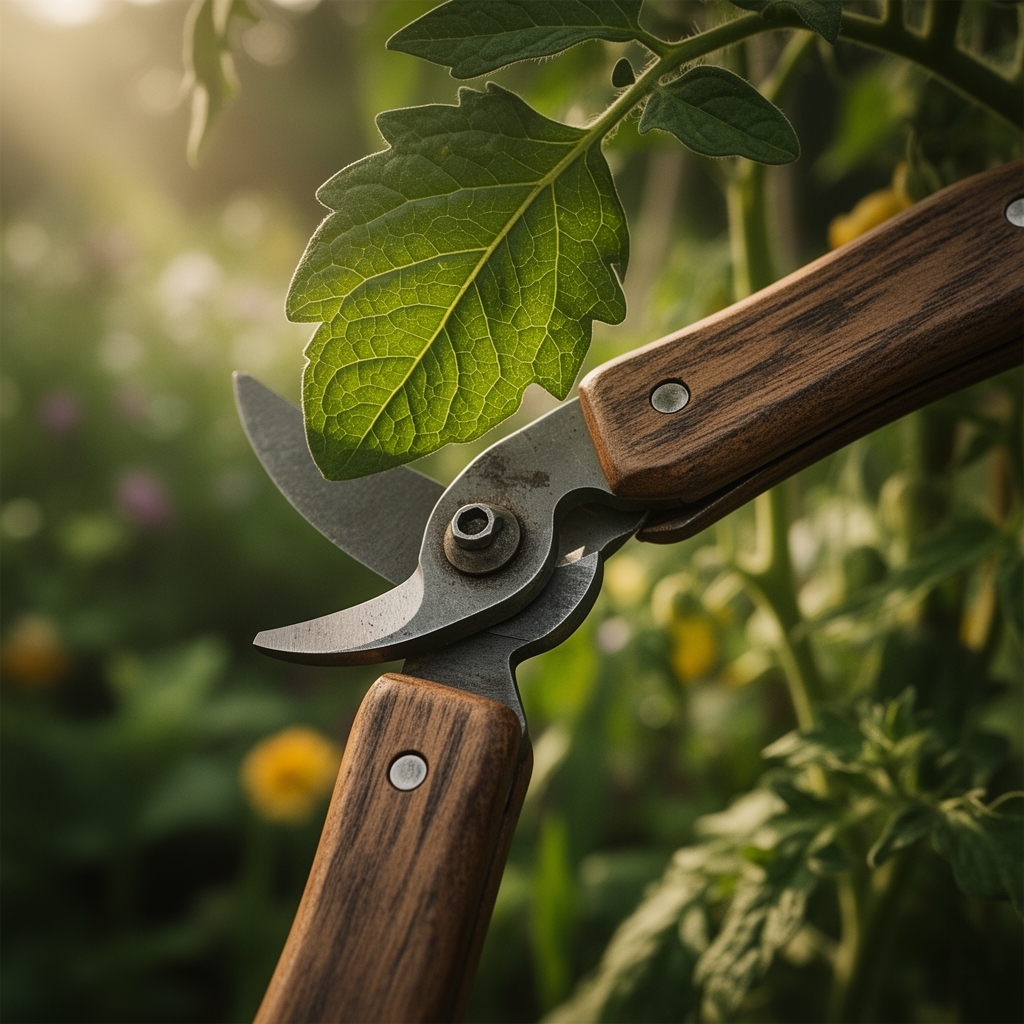
The curved edge of a bypass pruner slices through a chard stem at 45 degrees, preserving vascular integrity while releasing the faint mineral scent of fresh-cut greens. Selecting the best garden clippers for vegetable floral arrangements determines whether you harvest sculptural kale rosettes and frilled mustard stalks intact or crush cell walls into brown, oxidized wounds. Every floral designer working with edible ornamentals—radicchio globes, beet greens, flowering arugula—relies on tools engineered for precision cuts that maintain post-harvest hydration and visual appeal through auxin distribution control.
Materials

Bypass Pruners (High-Carbon Steel)
Felco F-2 and ARS VS-8Z models feature drop-forged blades that maintain edge retention through 2,000+ cuts. High-carbon steel provides Rockwell hardness ratings of 58–62 HRC, essential for slicing through fibrous brassica stems without compression damage. Clean cuts minimize ethylene production, extending vase life by 3–5 days.
Precision Snips (Stainless Steel)
Okatsune 304 and Chikamasa B-500SLF tools deliver sub-millimeter accuracy for delicate tasks: severing individual mizuna leaves, trimming fennel fronds, or harvesting micro-greens. Stainless steel resists sap acids (pH 4.5–6.0) that corrode lesser alloys. Blade length of 1.5 inches permits access into dense leaf whorls without disturbing neighboring stems.
Floral Shears (Titanium-Coated)
Garrett Wade Japanese floral shears combine 8-inch blades with titanium nitride coatings (Vickers hardness 2,400). The coating reduces friction by 40%, preventing cell-wall tearing in succulent stems like Swiss chard and bok choy. Wire-cutting notches handle woody herb stems (rosemary, thyme) up to 0.25 inches diameter.
Harvest Knives (Curved Blades)
Hori-hori knives and Japanese Kiridashi blades offer curved, single-bevel edges ideal for below-soil cuts on root vegetables destined for arrangements: young carrots with ferny tops, cylindra beets with burgundy veins. Carbon steel (1095 grade) requires oiling after each use but achieves scalpel-like sharpness at 15-degree bevel angles.
Soil Amendments for Cut Vegetables
Base fertility: 5-5-5 balanced organic (kelp meal, bone meal, greensand) applied at 2 pounds per 100 square feet. Elevated phosphorus (ratio 3-9-4) during bolting phase encourages sturdy flowering stems in arugula, kale, and mustard. Soil pH of 6.2–6.8 optimizes cation exchange capacity for calcium uptake, reducing tip burn in cutting greens.
Timing
Hardiness Zones 3–5
Direct-sow cut-greens 4–6 weeks before last spring frost (April 1–May 15). Kale, mustard, and mizuna germinate at soil temperatures of 45°F. Fall sowings occur 8 weeks before first frost (August 1–September 15) for cold-hardy varieties that sweeten after 28°F exposure.
Hardiness Zones 6–8
Succession planting every 14 days from March through May yields continuous harvests. Heat-tolerant varieties (Red Russian kale, Tatsoi) tolerate 85°F daytime highs. Resume sowing September 1 for winter harvests extending through December with row cover protection.
Hardiness Zones 9–11
Cool-season greens thrive October through March when nighttime temperatures drop below 65°F. Mid-winter sowings (December–January) produce peak-quality cutting material. Bolt-resistant cultivars extend harvests into April before summer heat (90°F+) triggers flowering.
Phases

Sowing
Broadcast seed at 20 seeds per square foot for baby-leaf density or 6 inches apart for full-head development. Cover with 0.25 inches sifted compost. Germination occurs within 5–10 days at 60–70°F soil temperature. Thin seedlings to final spacing at two-leaf stage using micro-tip snips to avoid root disturbance in neighboring plants.
Pro-Tip: Inoculate soil with Rhizophagus irregularis mycorrhizal fungi at 0.1 ounces per 10 square feet during bed preparation. Hyphal networks increase phosphorus uptake by 300%, producing thicker petioles ideal for structural arrangements.
Transplanting
Move 3-week-old seedlings at four-leaf stage. Excavate holes 4 inches deep, incorporating 0.5 cups worm castings per plant. Bury stems up to lowest true leaves to stimulate adventitious rooting. Water with 1-cup kelp solution (diluted 1:10) to reduce transplant shock and accelerate root establishment.
Pro-Tip: Prune terminal buds on transplanted kale at 6 inches height using 30-degree angled cuts. Auxin redistribution triggers lateral shoot development, increasing harvestable stem count by 60% over 8 weeks.
Establishing
Apply 0.5 inches compost mulch around plants after 14 days, maintaining 2-inch clearance from stems to prevent rot. Side-dress with blood meal (12-0-0) at 1 tablespoon per plant when leaves reach 6 inches length. Foliar spray calcium chloride solution (1 teaspoon per quart) weekly to prevent marginal necrosis in rapid-growth phases.
Pro-Tip: Harvest outer leaves when 8–10 inches long, cutting 0.5 inches above soil line with bypass pruners sanitized in 10% bleach solution. Morning cuts (6–8 AM) capture maximum turgor pressure, extending post-harvest crispness by 48 hours.
Troubleshooting
Symptom: Brown, crispy leaf margins appearing 24 hours post-harvest
Solution: Calcium deficiency or harvest-time heat stress. Cut only when air temperature is below 75°F. Recut stems underwater at 45-degree angles immediately before arranging to restore hydraulic continuity.
Symptom: Wilting within 6 hours despite water submersion
Solution: Vascular crushing from dull blades or anvil-style pruners. Sharpen bypass blades to 20-degree angle using 1,000-grit waterstone. Replace blades after 5,000 cuts or when compression damage appears on stem cross-sections.
Symptom: Yellowing lower leaves while upper growth remains green
Solution: Nitrogen depletion in high-production cutting beds. Drench with fish emulsion (5-1-1) diluted 2 tablespoons per gallon, applying 1 cup per plant every 10 days during active harvest periods.
Symptom: Black sooty mold on stored clippers
Solution: Aphid honeydew residue fostering Cladosporium growth. After each use, scrub blades with dish soap, rinse, dry thoroughly, then coat pivot points with mineral oil to prevent rust and microbial colonization.
Symptom: Jagged, torn cuts despite sharp blades
Solution: Incorrect blade alignment or cutting technique. Ensure bypass blade gap is less than 0.5 millimeters. Position stem deep in blade throat (not at tip). Apply smooth, continuous pressure rather than pulsing squeeze.
Maintenance
Daily Protocol
Wipe blades with isopropyl alcohol (70%) after harvesting each plant variety to prevent pathogen transmission. Remove sap buildup using citrus-based solvents. Check blade tension; excessive play indicates pivot-bolt loosening requiring quarter-turn adjustments.
Weekly Tasks
Sharpen high-carbon steel blades using diamond hone (600-grit) followed by leather strop with polishing compound. Test sharpness by slicing newsprint; properly honed edges leave clean cuts without tearing fibers. Apply light machine oil to pivot points and spring mechanisms.
Watering Guidelines
Provide 1 inch water weekly through drip irrigation or soaker hoses, delivering moisture at soil level to prevent foliar disease. In sandy soils (CEC below 10), increase to 1.5 inches split across two sessions. Clay soils require 0.75 inches to avoid anaerobic conditions that promote root rot.
Seasonal Storage
Disassemble pruners before winter storage. Soak components in mineral spirits for 10 minutes to dissolve resin. Dry thoroughly, coat with camellia oil, wrap in oiled paper, and store in low-humidity environment (below 50% RH) to prevent corrosion.
FAQ
Which blade type prevents browning on cut lettuce edges?
Bypass blades with 20-degree bevel angles create surgical cuts that minimize oxidation. Anvil blades crush cells, triggering enzymatic browning within 2 hours. Stainless steel resists acid corrosion from vegetable sap better than carbon steel.
How often should I replace clipper blades for optimal performance?
Replace or professional-sharpen blades every 5,000 cuts or when compression damage appears on soft-tissue stems. Visual indicators include flattened rather than circular stem cross-sections and increased wilting rates post-harvest.
Can I use the same clippers for diseased and healthy plants?
Never. Sterilize between plants using 10% bleach solution (1-minute soak) or 70% isopropyl alcohol spray. Bacterial and fungal pathogens survive on blade surfaces for 72+ hours, transmitting diseases like black rot and downy mildew.
What stem diameter requires upgrading from snips to pruners?
Transition to bypass pruners when stems exceed 0.25 inches diameter. Forcing snips through thicker material damages blade alignment and creates crush injuries. Reserve micro-snips for stems under 0.125 inches.
Do titanium coatings improve cut quality or only durability?
Both. Titanium nitride coatings reduce friction by 40%, allowing blades to glide through succulent tissue with less cellular disruption. Hardness ratings of 2,400 Vickers maintain edge geometry 3 times longer than uncoated steel, ensuring consistent cut quality across thousands of harvests.