6 Steps to Prepare a Marble Pothos for Climbing
Learning how to prepare a marble pothos for climbing transforms a trailing houseplant into an architectural feature that mimics its natural habitat. In tropical forests across Southeast Asia, Epipremnum aureum 'Marble Queen' ascends tree trunks using aerial roots to anchor itself while accessing filtered canopy light. Domestic cultivation demands deliberate intervention: choosing the correct support structure, training juvenile growth, and manipulating auxin distribution to redirect the plant's growth hormones upward. This guide provides the precise steps to shift your marble pothos from horizontal sprawl to vertical orientation.
Materials
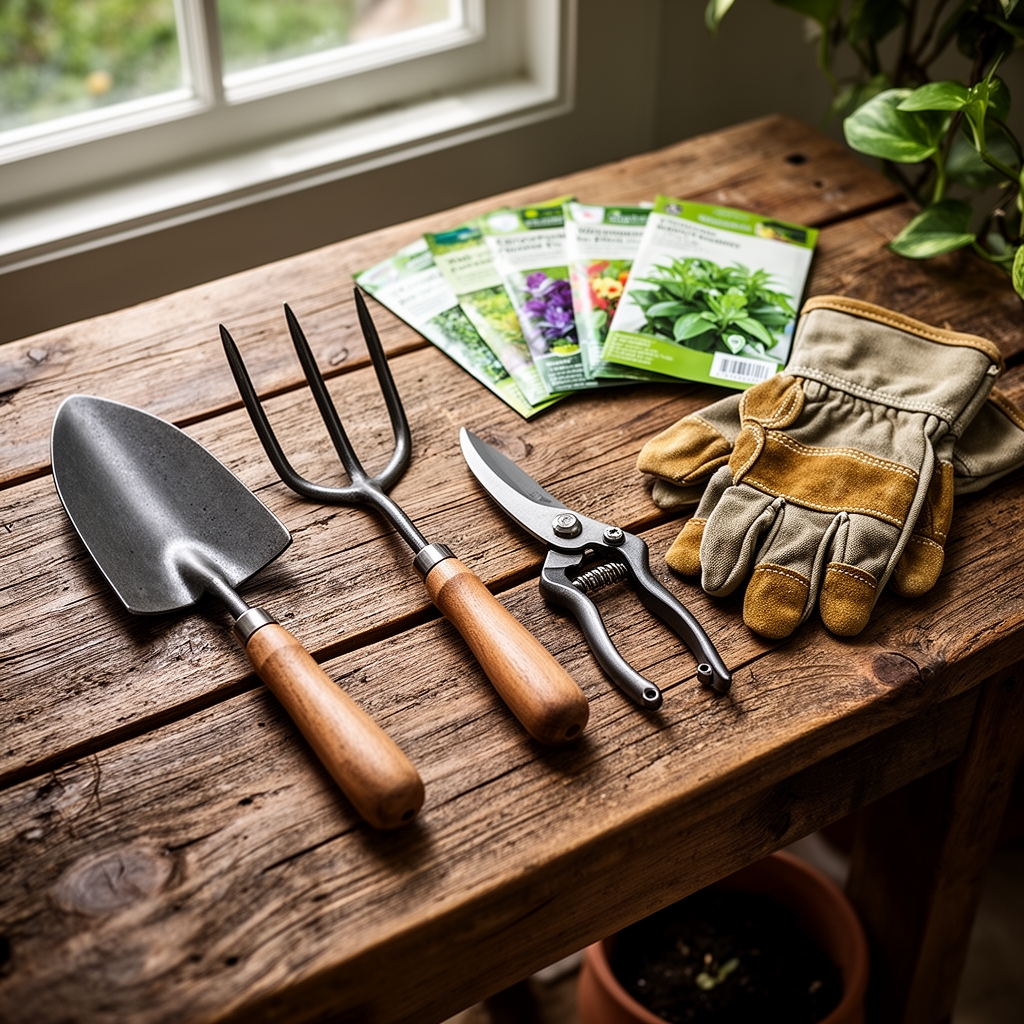
Select a support structure with a porous surface that retains moisture. Coconut coir poles, sphagnum moss poles, and treated cedar planks all provide adequate grip for aerial roots. Moss poles wrapped in 100% natural coir fiber offer the highest cation exchange capacity, supporting nutrient uptake directly through adventitious roots.
For substrate amendments, use a balanced 4-4-4 organic fertilizer derived from feather meal, bone meal, and kelp. The nitrogen component accelerates vegetative growth while phosphorus supports root development along the climbing surface. Maintain soil pH between 6.1 and 6.5 for optimal macronutrient availability.
Additional supplies include:
- Coated wire plant ties or soft cotton strips (avoid synthetic materials that retain heat)
- Mycorrhizal fungi inoculant (species: Glomus intraradices)
- Spray bottle for misting aerial roots
- 70% isopropyl alcohol for sanitizing pruning shears
- Rooting hormone powder containing 0.1% indole-3-butyric acid (IBA)
Timing
Execute preparation steps during the active growing season, between late March and early July in USDA Hardiness Zones 10-12. For indoor cultivation in controlled environments, initiate training when new growth produces internodal spacing of 2-3 inches, indicating sufficient light levels and metabolic activity.
Avoid training during dormancy periods (November through February) when auxin production drops and cell division slows. In Zones 9b and below, where marble pothos remains exclusively an indoor specimen, coordinate preparation with your home's heating schedule. Maintain ambient temperatures between 65-85°F during the establishment phase.
Phases

Phase One: Structural Assessment and Pruning (Week 1)
Examine the parent plant for the longest, healthiest vines with at least 6-8 nodes. Nodes are the raised bumps along the stem where leaves emerge and aerial roots originate. Using sanitized shears, remove any vines shorter than 12 inches or showing chlorotic (yellowing) leaves.
Prune back the growing tips by 1/4 inch just above a node to stimulate lateral auxin redistribution. This cut signals the plant to activate dormant meristematic tissue along the stem.
Pro-Tip: Make cuts at a 45-degree angle to maximize surface area for callus formation and prevent water accumulation on the wound site.
Phase Two: Support Installation and Root Activation (Week 1-2)
Insert the moss pole or support structure 4-6 inches deep into the container, positioning it 2 inches from the root ball's edge. Pre-soak sphagnum moss poles in room-temperature water for 20 minutes to fully hydrate the medium.
Apply mycorrhizal inoculant directly to the soil surface within 3 inches of the pole. These symbiotic fungi colonize roots and extend the plant's absorptive surface area by 100-1,000 times.
Mist the pole surface until water runs down its length. Moisture on the climbing surface triggers geotropic responses in aerial roots, directing them toward the humid substrate.
Pro-Tip: Dust exposed aerial root nodes with rooting hormone before attaching vines to the pole. IBA accelerates adventitious root development by 40-60%.
Phase Three: Attachment and Training (Week 2-8)
Select 2-3 primary vines for initial training. Gently wrap each vine around the pole in a loose spiral pattern, maintaining contact between nodes and the climbing surface. Secure vines every 4-6 inches using plant ties, leaving enough slack for stem expansion.
Position ties just below nodes where aerial roots emerge. Direct contact between these specialized roots and the moist pole surface triggers elongation and penetration into the substrate.
Monitor auxin distribution by observing new growth direction. Leaves should orient upward and increase in size by 20-30% as the plant matures into its climbing form. Juvenile leaves on trailing vines measure 2-4 inches, while mature climbing leaves reach 6-10 inches.
Pro-Tip: Rotate the container 180 degrees every 14 days to prevent phototropic lean. Uniform light exposure produces symmetrical growth patterns.
Troubleshooting
Symptom: Aerial roots remain short, brown, and do not attach to pole.
Solution: Increase humidity around the pole to 60-70%. Mist the structure twice daily and consider enclosing the pole in a clear plastic sleeve for 2-3 weeks to create a localized humidity chamber.
Symptom: New growth continues trailing downward instead of climbing.
Solution: Insufficient light intensity. Move plant to a location receiving 200-400 foot-candles of indirect light or supplement with a grow light positioned 12 inches above the canopy.
Symptom: Leaves develop brown, crispy edges after training begins.
Solution: Excessive fertilizer salts. Flush soil with distilled water (volume equal to 2x the container size) and reduce feeding frequency to once every 6 weeks.
Symptom: Stems rot at tie points.
Solution: Plant ties too tight, restricting vascular flow. Loosen all ties immediately and replace with softer material. Prune affected sections 1 inch below visible rot.
Maintenance
Water when the top 1 inch of soil feels dry to touch, typically every 7-10 days. Apply 1 cup of water per 6-inch container diameter, allowing excess to drain completely.
Feed every 4-6 weeks during active growth with diluted liquid fertilizer at half the manufacturer's recommended strength. Target NPK ratio: 3-1-2 for established climbing specimens.
Mist the moss pole daily to maintain surface moisture. As aerial roots penetrate the substrate, they absorb water and nutrients directly, bypassing the root system.
Prune trailing growth monthly to redirect energy toward vertical development. Remove any vines that refuse to attach after 4 weeks of training.
Refresh the moss pole wrapping annually, as coconut coir degrades and loses moisture retention capacity.
FAQ
How long before aerial roots attach to the pole?
Visible attachment occurs within 14-21 days under optimal conditions (65-75°F, 60%+ humidity). Full integration takes 6-8 weeks.
Can I train an older pothos with woody stems?
Yes, but lignified stems lose flexibility. Soak the base of woody vines in room-temperature water for 30 minutes before bending to prevent fractures.
Should I remove old aerial roots?
No. Existing aerial roots, even dry ones, contain dormant meristematic tissue that reactivates upon contact with moist surfaces.
What's the maximum height for indoor climbing?
Marble pothos can grow 8-12 feet vertically indoors with proper support. Mature specimens in commercial conservatories exceed 20 feet.
Will climbing change leaf variegation?
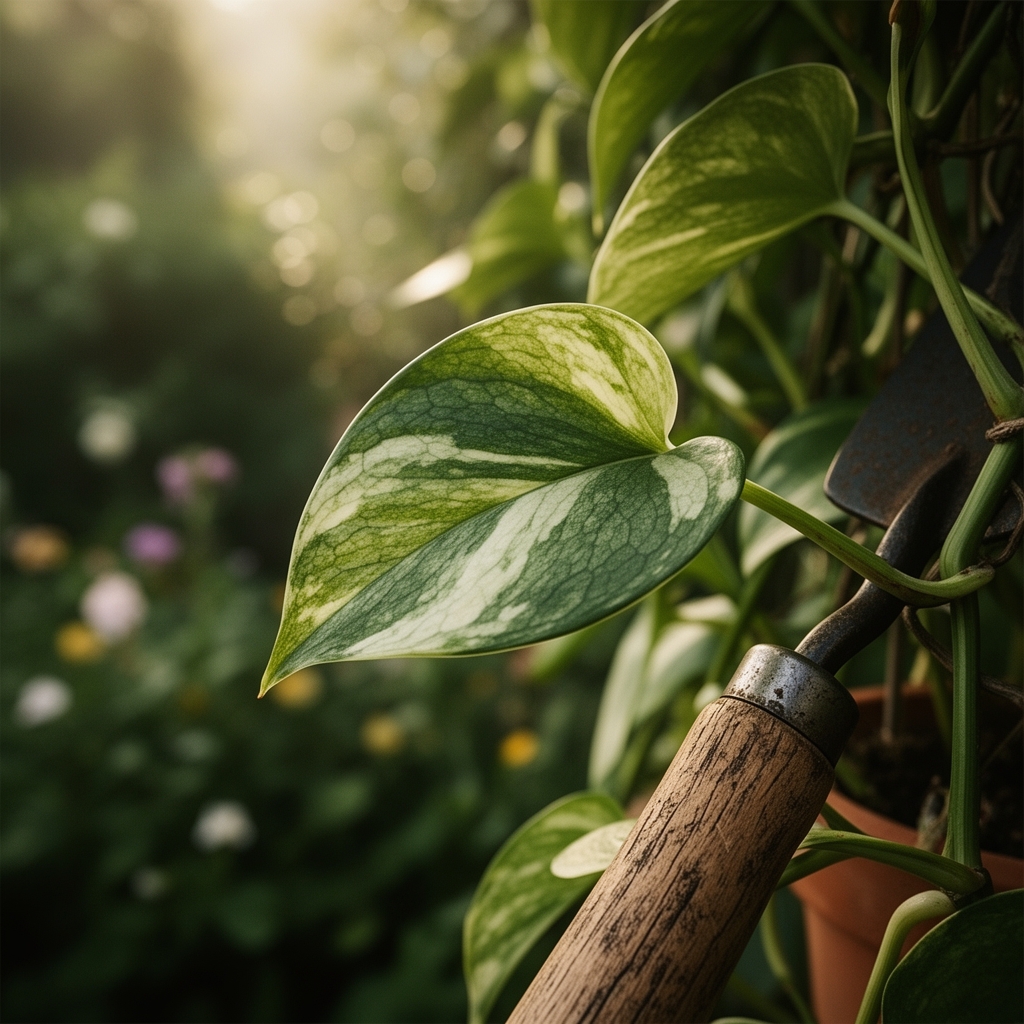
Increased light exposure from upward growth intensifies white marbling. Insufficient light causes reversion to solid green leaves.