9 Steps to Prepare a Custom Backyard Garden Pond Site
The smell of damp, anaerobic mud signifies a shift in the rhizosphere from terrestrial to aquatic dominance. When learning how to prepare a garden for a pond, you must first calculate the hydraulic load and the structural integrity of your soil. A successful installation requires more than a shovel; it demands an understanding of soil compaction and the water table. You are re-engineering the local topography to support a closed-loop ecosystem. This process begins by stripping the turf to expose the mineral subsoil. Proper site preparation ensures the pond does not subside or leak due to frost heave. You are managing turgor pressure at a landscape scale. Every cubic yard of displaced earth alters the drainage patterns of your entire property. Failure to account for the slope will result in runoff contamination or structural collapse during heavy precipitation events.
Materials:
Site preparation requires a specific chemical and physical baseline for the surrounding marginal plantings. The ideal soil for the pond perimeter is a friable loam with a Cation Exchange Capacity (CEC) between 15 and 25 meq/100g. This allows the soil to retain essential nutrients without leaching them into the water column, which would trigger algal blooms.
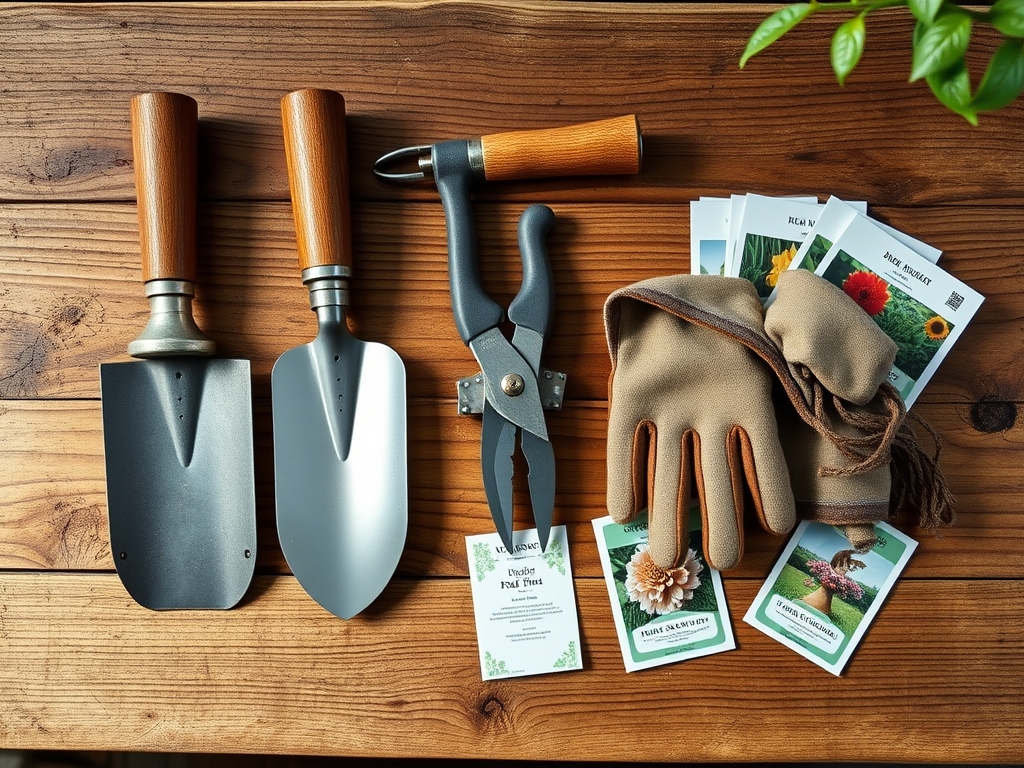
The nutrient profile for the initial planting phase should prioritize root development over leaf mass. Utilize a low-nitrogen starter fertilizer with an NPK ratio of 5-10-5. High nitrogen levels (the first number) lead to soft, succulent growth that is susceptible to pathogens. The soil pH must be stabilized between 6.5 and 7.2. If your soil is acidic (below 6.0), incorporate pelletized lime at a rate of 50 pounds per 1,000 square feet. For alkaline soils, apply elemental sulfur to lower the pH. You will also need a 45-mil EPDM liner, a non-woven geotextile underlayment, and a transit level to ensure the pond perimeter is perfectly horizontal within a 0.125-inch tolerance.
Timing:
Excavation should occur when the soil moisture is between 15% and 20%. In Hardiness Zones 4 through 6, the ideal window is late spring after the final frost date to avoid working with frozen clods that prevent proper compaction. In Zones 7 through 10, early autumn is preferable to allow marginal plants to establish root systems before the summer heat stress.
The biological clock of the surrounding flora dictates the schedule. You must complete the heavy earthmoving before the local vegetation enters its peak vegetative stage. If you disrupt the root zones of nearby trees during their spring sap flow, you risk significant physiological stress. Aim to have the pond filled and the biological filter seeded with nitrifying bacteria when the ambient water temperature consistently hits 55 degrees Fahrenheit. This temperature marks the transition from dormancy to active metabolism for most aquatic life and beneficial microbes.
Phases:

Sowing the Perimeter
Direct-sow native grasses and sedges along the transition zone to stabilize the soil. Use a seed drill or hand-broadcast at a rate of 1 pound per 500 square feet. Cover the seeds with a thin layer of weed-free straw to maintain moisture.
Pro-Tip: Ensure seed-to-soil contact to trigger imbibition. This is the physical process where the seed coat absorbs water, activating the enzymes necessary for germination. Without this initial moisture surge, the embryo remains dormant.
Transplanting Marginals
Install emergent plants like Iris pseudacorus or Typha directly into the shelving units of the pond. Dig holes twice the width of the root ball. Position the crown exactly at the water line to prevent rot.
Pro-Tip: Use a hori-hori knife to prune circling roots before planting. This breaks apical dominance in the root tips, stimulating the production of lateral roots through auxin redistribution. This ensures faster anchorage in the new substrate.
Establishing the Bio-Filter
Introduce submerged oxygenators and floating plants once the water has dechlorinated. Maintain a plant coverage of 50% to 60% of the pond surface to regulate water temperature and inhibit light penetration.
Pro-Tip: Monitor for phototropism in new plantings. If plants lean excessively toward one light source, they may become structurally weak. Strategic placement ensures even light distribution, preventing the elongation of internodes known as etiolation.
The Clinic:
Physiological disorders in a new pond environment often stem from water chemistry or poor soil preparation.
-
Symptom: Interveinal chlorosis (yellow leaves with green veins) in marginal plants.
Solution: This indicates an iron deficiency, often caused by high pH levels (above 7.5) which lock up micronutrients.
Fix-It: Apply chelated iron directly to the rhizosphere or lower the water pH using organic acidifiers. -
Symptom: Stunted growth and dark purple tint on foliage.
Solution: Phosphorus deficiency. This is common in cold soils where microbial activity is low.
Fix-It: Apply a water-soluble 0-20-0 fertilizer specifically formulated for aquatic use to avoid harming fish. -
Symptom: Leaf burn or marginal necrosis.
Solution: Fertilizer salt accumulation or high chlorine levels in the water.
Fix-It: Flush the soil with 2 inches of deionized water and ensure the use of a water conditioner during pond fills. -
Symptom: Soft, rotting stems at the water line.
Solution: Fungal pathogens resulting from poor air circulation or excessive planting depth.
Fix-It: Use bypass pruners to remove infected tissue and adjust the plant height to ensure the crown is not submerged.
Maintenance:
Precision is required to maintain the pond's equilibrium. Use a soil moisture meter to monitor the transition zone. The soil should remain at a consistent 70% field capacity. During dry spells, provide 1.5 inches of water per week at the drip line of surrounding shrubs to prevent them from drawing moisture away from the pond liner.
Every autumn, remove accumulated organic debris using a fine-mesh net to prevent the buildup of hydrogen sulfide gas. Use your hori-hori knife to divide overgrown perennials every three years. This prevents the plants from becoming root-bound and maintains high transpiration rates. Check the mechanical filtration system daily; a reduction in flow rate often indicates a clogged intake which can lead to oxygen depletion and a drop in dissolved oxygen (DO) levels below 5 mg/L.
The Yield:
If your pond includes edible aquatic plants like Watercress (Nasturtium officinale) or Lotus (Nelumbo nucifera), harvest timing is critical. Harvest Watercress before the plant enters its reproductive stage and produces flowers; post-flowering leaves become bitter due to increased glucosinolates.
For Lotus tubers, harvest in late autumn after the leaves have turned brown and entered senescence. Use a blunt tool to gently lift the tubers from the muck to avoid damaging the growth points. To maintain "day-one" freshness, immediately submerge harvested greens in 40-degree Fahrenheit water to maintain turgor and reduce the respiration rate. Store tubers in a cool, damp environment to prevent desiccation.
FAQ:
How deep should a garden pond be?
For temperate climates, a minimum depth of 24 to 36 inches is required. This prevents the water column from freezing solid in winter and maintains cooler temperatures during summer, protecting the biological stability of the pond.
Can I use tap water to fill my pond?
Yes, but you must neutralize chlorine and chloramines first. Use a commercial dechlorinator or allow the water to stand for 24 to 48 hours. This allows the gases to dissipate through the surface via atmospheric exchange.
What is the best liner for a backyard pond?
45-mil EPDM rubber is the professional standard. It is UV-resistant, highly flexible in cold temperatures, and non-toxic to aquatic life. Always pair it with a geotextile underlayment to prevent punctures from sharp rocks or roots.
How do I stop my pond from leaking?
Ensure the perimeter is level using a transit level. Most "leaks" are actually water wicking over a low edge. If a puncture occurs, use an EPDM primer and pressure-sensitive cover strip to create a permanent vulcanized bond.