9 Best Natural Oils for Maintaining Carbon Steel Tools
The smell of damp earth and the crisp snap of high turgor pressure in a healthy leaf define the rhythm of a productive season. To maintain this efficiency, your equipment must remain as resilient as the crops they tend. Carbon steel, prized for its ability to hold a razor edge and its high tensile strength, is highly susceptible to oxidation when exposed to moisture and acidic soil. Selecting the best oils for maintaining carbon steel tools is a fundamental requirement for preventing rust and ensuring clean, surgical cuts that minimize plant tissue trauma.
A neglected blade develops pits that harbor pathogens, leading to cross-contamination within the rhizosphere. When a hori-hori knife or bypass pruner is treated with the correct lipid barrier, it resists the corrosive effects of sap and soil minerals. This maintenance routine is not merely about aesthetics; it is about preserving the structural integrity of the metal to ensure precise mechanical action during pruning and harvesting. Using high-quality oils creates a hydrophobic barrier that prevents oxygen from reacting with the iron molecules in the steel. This guide examines the technical application of natural oils to keep your toolkit in peak operational condition.
Materials:
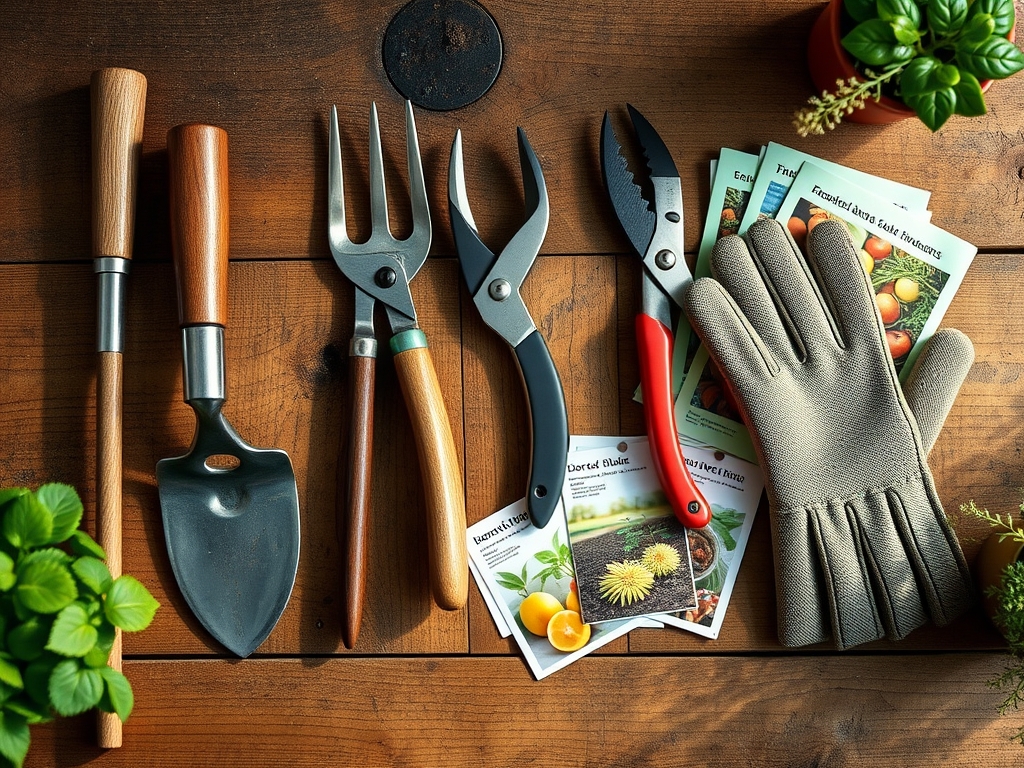
Soil chemistry dictates the rate of tool degradation. In a **friable loam** with a **pH of 6.5**, the presence of organic acids can accelerate corrosion. If your soil has a high **Cation Exchange Capacity (CEC)**, it holds more moisture and minerals, increasing the electrochemical reaction on bare metal. To counteract this, use the following materials based on their chemical stability and viscosity.
- Camellia Oil: Highly refined and non-drying. It is the gold standard for high-carbon blades because it does not gum up over time.
- Food-Grade Mineral Oil: A petroleum byproduct but chemically inert. It is safe for tools used on edible crops.
- Linseed Oil (Raw): Derived from flax seeds. It penetrates wood handles and provides a thin protective film on metal.
- Tung Oil: A drying oil that creates a hard, water-resistant finish. Best for long-term storage of shovels and spades.
- Walnut Oil: A slow-drying oil that is non-toxic. Avoid use if nut allergies are a concern in the garden workspace.
- Coconut Oil (Fractionated): Remains liquid at lower temperatures. It contains caprylic acid which acts as a mild antimicrobial agent.
- Jojoba Oil: Technically a liquid wax. It has high thermal stability and does not rancidify easily.
- Grape Seed Oil: High in vitamin E, which acts as a natural antioxidant to prevent the oil itself from breaking down.
- Bee’s Wax and Oil Blend: A 1:4 ratio of wax to oil creates a thick paste for heavy-duty tools like broadforks.
Timing:
Tool maintenance follows the Biological Clock of the garden. In Hardiness Zones 4 through 7, the primary maintenance window occurs during the transition from the reproductive stage to senescence in late autumn. Once the first killing frost hits, typically between October and November, tools must be cleaned and oiled for winter dormancy.
During the vegetative growth phase in spring, tools require weekly oiling to combat the high moisture levels of spring rains. In Zones 8 through 11, where the growing season is nearly year-round, oiling should occur after every 10 hours of heavy use to prevent sap buildup from interfering with the tool's bypass mechanism.
Phases:

Sowing
Before the first seed hits the soil, inspect the edge of your trowel. A sharp tool reduces the compaction of the rhizosphere during the creation of planting furrows. Apply a light coat of Camellia oil to the blade.
Pro-Tip: Maintaining a smooth surface on sowing tools prevents soil adhesion. This reduces the mechanical resistance when the tool enters the substrate, preventing the disruption of delicate fungal networks and mycorrhizal symbiosis already established in the soil.
Transplanting
When moving starts from nursery pots to the field, use a hori-hori knife treated with mineral oil. The oil prevents the high-nitrogen fertilizers often found in potting mixes from etching the steel.
Pro-Tip: Clean cuts during transplanting are essential to prevent auxin suppression. If a root is crushed by a dull, rusted blade rather than cut cleanly, the plant's hormonal response shifts from growth to repair, delaying establishment by up to 7 days.
Establishing
As plants enter the vegetative stage, pruning for airflow is vital. Use bypass pruners lubricated with jojoba oil at the pivot point. This ensures the spring mechanism operates at a constant tension, preventing hand fatigue.
Pro-Tip: A well-oiled blade ensures a clean cut at the branch collar. This allows the plant to quickly form a callus through a process known as Compartmentalization of Decay in Trees (CODIT), which prevents pathogens from entering the vascular system.
The Clinic:
Physiological disorders in tools often mimic those in plants. Observe the symptoms to apply the correct fix.
- Symptom: Reddish-brown flaking (Oxidation).
- Solution: This is iron oxide. Use a diamond sharpening stone or steel wool to remove the scale. Re-season with Tung oil.
- Symptom: Sticky black residue (Sap Buildup).
- Solution: Use a solvent like isopropyl alcohol to dissolve the resins. Sap contains sugars that can ferment and attract bacteria.
- Symptom: Pitting on the blade surface.
- Solution: This indicates exposure to acidic soil (pH below 5.0). Sand the blade with 400-grit sandpaper and apply a heavy coat of bee's wax blend.
- Fix-It for Nutrient Deficiencies: While tools don't have nutrients, they facilitate their uptake. If a plant shows Nitrogen chlorosis (yellowing leaves), ensure your pruning shears are sterilized with alcohol and then re-oiled to prevent spreading tobacco mosaic virus or other pathogens during corrective pruning.
Maintenance:
Precision requires consistency. After every use, wipe the tool down with a dry cloth to remove moisture. If the tool was used in soil with high clay content, wash it and dry it immediately. Apply 0.5 milliliters of oil to the blade and pivot points.
Use a soil moisture meter to ensure your storage area remains below 40% humidity. Store tools hanging up rather than sitting on a concrete floor, as concrete can wick moisture and cause localized rusting. For bypass pruners, check the tension of the center bolt monthly; it should be tight enough to cut a piece of paper but loose enough to open automatically via the spring.
The Yield:
When harvesting, the "yield" of your maintenance is a clean, marketable crop. For leafy greens, a sharp, oiled knife prevents bruising of the cell walls. This maintains turgor pressure and extends the shelf life of the harvest.
Handle the plant by the stem to avoid heat transfer from your hands. For flowers, a clean cut allows the xylem to continue drawing water without the interference of air embolisms or bacterial blockages. Post-harvest, immediately clean the tool of all organic matter to prevent the fermentation of plant juices on the steel surface.
FAQ:
Can I use vegetable oil on my tools?
Vegetable oils like olive or canola will eventually go rancid and become gummy. While they work in a pinch, they are not recommended for long-term protection. Use Camellia or mineral oil for better stability and performance.
How often should I oil my carbon steel tools?
In high-humidity environments, wipe tools with oil after every use. In arid climates, a weekly application is sufficient. Always oil tools before storage for more than 48 hours to prevent atmospheric oxidation.
Is WD-40 good for carbon steel garden tools?
WD-40 is a solvent and water displacer, not a long-term lubricant. It evaporates quickly and can be toxic to soil microbes. Natural oils like Tung or Linseed provide a more durable, eco-friendly barrier.
What is the best way to remove rust before oiling?
Use a wire brush or high-grit sandpaper to remove surface oxidation. For heavy rust, soak the tool in white vinegar for 12 hours, scrub, neutralize with baking soda, dry completely, and immediately apply a heavy coat of Tung oil.